
Auto Parts & Maintenance Blog
Your trusted resource for vehicle maintenance tips, OEM part advice, and automotive insights from Elmhurst Auto Parts.
What is the Importance of Brake Pads for Vehicle Safety?
Table of Contents
Brake pads play a crucial role in vehicle safety. They are essential components of the braking system. When you press the brake pedal, these pads create friction against the rotors, bringing the vehicle to a halt. Without effective brake pads, stopping distance increases significantly, which can lead to accidents.
Over time, brake pads wear down and lose their effectiveness. Regular inspection is vital for maintaining safety. Drivers often underestimate the condition of their brake pads. It's easy to overlook routine maintenance, but this can have disastrous consequences. Worn pads may produce a squealing noise, signaling it's time for replacement. Ignoring these signs can result in brake failure.
Investing in high-quality brake pads enhances vehicle safety. Choose pads suited for your driving style and vehicle type. While good pads might be more expensive, they ensure better braking performance. Prioritizing brake pad maintenance will ultimately protect lives on the road. Be proactive about your vehicle's safety.
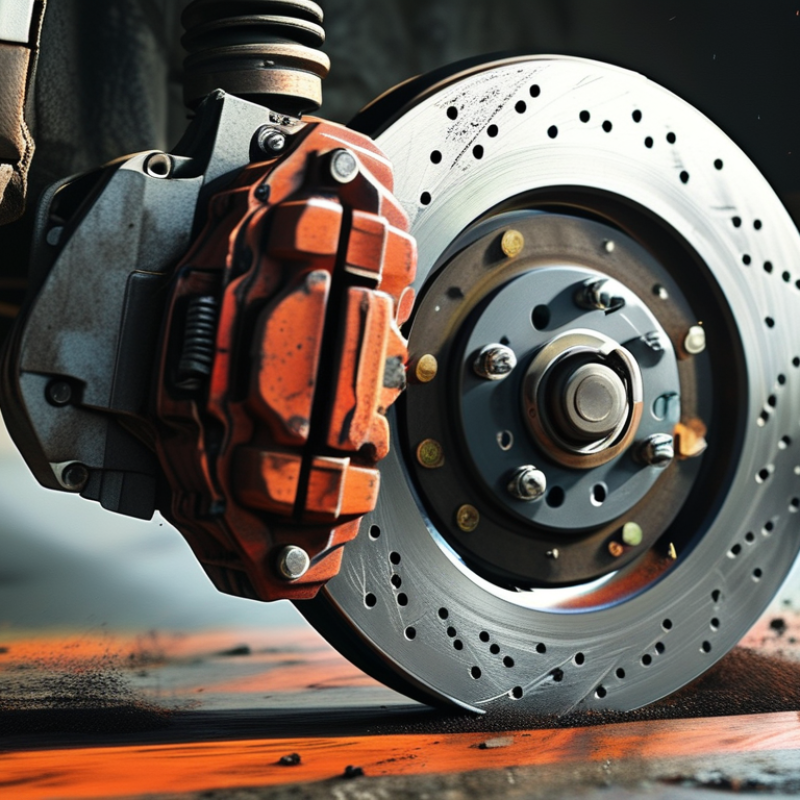
Definition and Function of Brake Pads in Vehicles
Brake pads play a crucial role in vehicle safety. They are the components that create friction against the brake rotors, allowing the vehicle to slow down or stop. Brake pads typically consist of friction materials attached to a backing plate. When the driver presses the brake pedal, hydraulic force pushes the pads against the rotors, converting kinetic energy into heat. This process requires effective materials to ensure maximum stopping power. According to the National Highway Traffic Safety Administration, brake-related issues cause approximately 20% of accidents.
Many modern vehicles use a mix of organic, semi-metallic, and ceramic materials for their brake pads. Each type has its own advantages and weaknesses. For example, organic pads are quieter and generate less dust but may wear out faster under high-performance conditions. Semi-metallic pads offer better heat management but can be noisier and harder on rotors. The selection of the right type of brake pad can significantly impact overall vehicle performance and safety.
Regular inspection of brake pads is vital for maintaining safety standards. The average lifespan of brake pads is between 30,000 to 70,000 miles. However, many drivers neglect this maintenance. Worn-out brake pads can lead to longer stopping distances and decreased braking efficiency. Understanding the importance of brake pads can help vehicle owners make informed decisions. It is essential to monitor pad thickness and change them when necessary to prevent accidents.
Importance of Brake Pads for Vehicle Safety
This chart illustrates the performance criteria of brake pads crucial for vehicle safety. The key factors include friction coefficient, wear rate, heat resistance, noise level, and cost, all measured on a scale from 0 to 1. Effective brake pads significantly contribute to the overall safety and performance of a vehicle.
The Role of Brake Pads in Vehicle Safety and Performance
Brake pads play an essential role in vehicle safety and performance. These components are the interface between the vehicle's braking system and the wheels. According to the National Highway Traffic Safety Administration, brake-related issues contribute to approximately 22% of all vehicle crashes. This statistic underscores the critical need for high-quality brake pads that can efficiently halt a vehicle, ensuring safety for both drivers and pedestrians.
The efficiency of brake pads directly impacts stopping distances. A study by the Automotive Engineering Institute reveals that worn or low-quality brake pads can increase stopping distances by up to 30%. This increase can mean the difference between a safe stop and a collision, especially in emergency situations. Moreover, good brake pads enhance overall vehicle performance, providing a smoother and more reliable braking experience. Drivers benefit from decreased brake fade, especially during prolonged use, leading to a more responsive and controlled drive.
Regular inspection and maintenance of brake pads are necessary but often overlooked. Data from industry reports show that drivers tend to underestimate the importance of brake pad conditions until it's too late. Ignoring warnings, such as squeaking or vibration, can result in compromising vehicle safety. It's important for drivers to be proactive, assessing their brake pads regularly to prevent unexpected failures on the road.
What is the Importance of Brake Pads for Vehicle Safety? - The Role of Brake Pads in Vehicle Safety and Performance
| Brake Pad Material | Average Lifespan (miles) | Performance in Different Weather | Noise Level | Cost ($) |
|---|---|---|---|---|
| Organic | 30,000 - 50,000 | Good in dry conditions; less effective in wet | Low | 50 - 100 |
| Semi-Metallic | 30,000 - 70,000 | Good in all conditions | Moderate | 50 - 150 |
| Ceramic | 50,000 - 70,000 | Excellent in dry and wet conditions | Very Low | 70 - 200 |
| Carbon-Composite | 40,000 - 80,000 | Good performance in extreme conditions | Low | 100 - 300 |
Signs of Worn or Damaged Brake Pads and Their Implications
Brake pads are crucial for vehicle safety. They ensure that your car stops effectively when you apply the brakes. Signs of worn or damaged brake pads are essential to recognize. A common indicator is squeaking or grinding noises. These sounds often suggest that the friction material is worn down. According to the National Highway Traffic Safety Administration, nearly 30% of vehicle accidents result from brake failure. Regularly checking brake pads can prevent such incidents.
Another sign is reduced braking performance. If you notice your vehicle takes longer to stop, it may indicate worn brake pads. The pads can become thin, leading to increased stopping distances. Research highlights that most drivers underestimate the importance of timely brake inspection. Approximately 73% of drivers do not regularly check their brake components, increasing risks on the road.
Visual inspections are helpful too. If brake pads appear cracked or worn unevenly, they may need replacement. It’s also vital to be aware of vibration while braking, indicating potential issues. Each of these signs plays a role in the overall safety of your vehicle. Ignoring them can lead to severe consequences. Always prioritize brake maintenance for a safer driving experience.
Maintenance Tips for Extending Brake Pad Lifespan
Brake pads are essential for vehicle safety. They are the component that provides the necessary friction to stop a vehicle effectively. However, over time, brake pads wear down. This wear affects braking performance and jeopardizes safety. To ensure optimum performance, regular maintenance is crucial.
To extend the lifespan of brake pads, proper driving habits play a significant role. Avoiding aggressive braking can prevent unnecessary wear. Instead of slamming on the brakes, gentle pressure will help. Additionally, keeping the brake system clean is vital. Debris can accumulate and lead to uneven wear. Inspections should be frequent, looking for signs of wear such as thin pads or unusual noises.
When it comes to brake fluid, regular checks are necessary. Low fluid levels can compromise braking power. If you notice any warning lights on the dashboard, don't ignore them. Addressing issues early can save money in the long run. Remember, while brake pads are key to safety, maintaining them is just as important. Neglecting them can lead to serious problems that may affect your and others’ safety on the road.
Impact of Brake Pad Quality on Overall Driving Safety
Brake pads are crucial for a vehicle's braking system. They are designed to create friction against the brake rotor to slow down or stop the vehicle. Their quality directly impacts overall driving safety. Research shows that nearly 40% of road accidents are linked to brake failure. This emphasizes the importance of maintaining high-quality brake pads.
The materials used in brake pads significantly affect performance. For instance, high-performance pads can reduce stopping distances by 20%. Conversely, low-quality pads can wear out quicker, leading to dangerous driving conditions. In a study by the National Highway Traffic Safety Administration, vehicles with worn-out brake pads were found to have a 30% higher chance of experiencing brake failure. This statistic underlines the critical role that brake pad quality plays in making your driving experience safer.
Moreover, drivers often overlook brake pad maintenance. A report indicated that up to 70% of drivers had delayed changing their brake pads. This negligence can lead to more severe braking issues. Replacing worn-out pads is essential for optimal brake function. Failure to recognize the signs of wear, such as squeaking noises or a soft brake pedal, could result in unfortunate consequences. Regular inspections can ensure that vehicles remain safe on the road.
FAQS
: Brake pads create friction with brake rotors to slow down or stop a vehicle.
Brake-related issues are a factor in about 22% of vehicle crashes.
Brake pads typically last between 30,000 to 70,000 miles, depending on usage.
Common materials include organic, semi-metallic, and ceramic, each with different pros and cons.
Gentle braking reduces wear, while aggressive braking can lead to faster deterioration.
Squeaking, vibration, or thin pads can signal the need for inspection or replacement.
Low-quality or worn pads can increase stopping distances by up to 30%, risking safety.
Regular checks are crucial; neglecting them can lead to severe safety issues.
Address any brake warning lights immediately to prevent further complications.
Yes, debris can cause uneven wear, impacting brake pad effectiveness and safety.
Conclusion
Brake pads are essential components of a vehicle's braking system, designed to create friction against the brake rotor to slow down or stop the vehicle. Their primary function is to ensure effective braking performance, directly impacting vehicle safety and handling. Regular maintenance and prompt replacement of worn or damaged brake pads are crucial, as they can lead to severe implications, including longer stopping distances and compromised safety.
Recognizing signs of wear, such as squeaking or grinding noises, is vital for maintaining optimal braking performance. High-quality brake pads not only enhance overall driving safety but also provide a smoother driving experience. By following maintenance tips and being aware of the condition of brake pads, drivers can extend their lifespan and ensure a safer ride on the road.

Blog Tags: