Blog

What Are the Different Types of Fuel Injectors?

What Are the Different Types of Fuel Injectors?

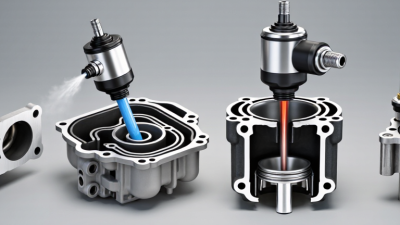
Fuel Injectors control how fuel reaches an engine, but the term covers several designs and delivery methods. Some systems spray fuel into the intake path; others inject it directly into the combustion chamber. Diesel systems add another distinction, with common-rail injectors operating under very high pressure. The hardware may look similar at a glance. Its location, pressure, and control strategy change how it works. The U.S. EPA’s 2023 Automotive Trends Report estimated average real-world fuel economy for new light-duty vehicles at 26.0 miles per gallon for model year 2022. That fleet-wide figure offers useful context, but it does not show that injector design alone determines efficiency. Engine size, vehicle weight, calibration, and driving conditions matter too. This is an important limit to keep in mind. This guide compares throttle-body, port fuel injection, gasoline direct injection, and diesel common-rail systems. It draws on engineering descriptions in the Bosch Automotive Handbook and technical literature published by SAE International, alongside EPA fleet data. For each type, we’ll look at where fuel enters, how the injector is controlled, and where the design is commonly used. We’ll also note practical trade-offs, including deposits, maintenance needs, and operating pressure. A neat category label does not tell the whole story. Real systems can overlap, and older vehicles may use different arrangements than newer ones. Understanding those details makes injector comparisons more useful—and less likely to promise more than the evidence supports.
Read more »
Liam By:Liam - October 31, 2026
Top 10 Spark Plug Brands for Global Buyers

Top 10 Spark Plug Brands for Global Buyers

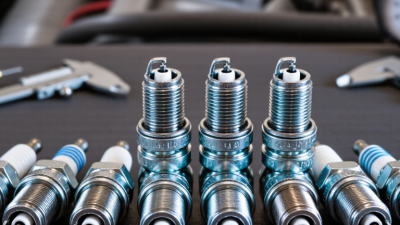
Choosing reliable Spark Plugs is rarely as simple as selecting the most familiar logo. Global buyers face different engines, climates, fuel qualities, and vehicle standards. A plug that performs well in a cool European workshop may behave differently in a humid coastal market. Heat range matters. So do thread size, reach, electrode material, gap stability, and resistance to fouling. Engine builder and technical author David Vizard describes the spark plug as “a window into the combustion chamber.” This practical view guides our comparison. A plug can reveal deposits, weak ignition, overheating, or an incorrect mixture. Small details matter. This guide examines the top 10 Spark Plugs brands for international buyers. It considers manufacturing reputation, technical support, product consistency, application coverage, and value over the service life. We also look beyond advertising claims. Laboratory testing is useful, but workshop experience can reveal problems that brochures omit. Packaging quality, traceability, and regional availability deserve attention too. No ranking is perfectly universal. That is worth admitting. Different engines reward different designs, and price alone cannot measure reliability. Some premium plugs may offer excellent durability, while budget options remain sensible for ordinary applications. The right choice depends on verified specifications, not confident guesses. Buyers should confirm the manufacturer’s part number, recommended gap, and engine compatibility before ordering. A few minutes of checking may prevent rough starting, misfires, and unnecessary replacement costs.
Read more »
Sophia By:Sophia - October 26, 2026
2026 Top Fuel Filter Types for Global Buyers

2026 Top Fuel Filter Types for Global Buyers

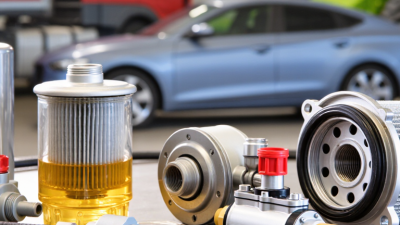
Global buyers are entering a more demanding fuel-filtration market. Fuel Filters must now support diesel trucks, passenger cars, agricultural machines, generators, and hybrid powertrains. OICA reported approximately 75.5 million motor vehicles were produced worldwide in 2024. Meanwhile, the International Energy Agency recorded more than 17 million electric-car sales during the same year. Internal-combustion engines are not disappearing overnight. Their fuel systems still require clean fuel, stable flow, water separation, and reliable contamination control. MarketsandMarkets projects continued growth in the global fuel-filter market through the decade, driven by stricter emission standards, expanding vehicle ownership, and demand for longer component life. Exact market estimates vary between research firms. Buyers should compare definitions carefully. As automotive powertrain expert John B. Heywood emphasizes, “Fuel quality and cleanliness are essential to reliable engine operation.” That principle explains why filter selection cannot depend only on price or micron ratings. A small filter installed beside a dusty construction vehicle faces different conditions from one used in a city sedan. This guide examines 2026 Fuel Filters by design, media, application, and operating environment. It covers spin-on filters, cartridge filters, water-separating filters, inline filters, and high-efficiency diesel systems. Performance claims deserve skepticism. A filter may show excellent laboratory efficiency but perform differently with cold fuel, biodiesel blends, dust, or irregular maintenance. Global buyers should verify test standards, pressure-drop data, service intervals, material compatibility, and supplier traceability before purchase. The best choice is rarely the cheapest one. It is the filter that protects the complete fuel system under real working conditions.
Read more »
Liam By:Liam - October 21, 2026
China Top Automotive Air Filters Suppliers

China Top Automotive Air Filters Suppliers

The global vehicle fleet is expanding, but air quality expectations are rising faster. According to OICA, manufacturers produced about 93.5 million motor vehicles worldwide in 2023. Each vehicle requires dependable filtration for engines, cabins, or both. That creates a demanding market for Automotive Air Filters suppliers. The International Energy Agency reported nearly 14 million electric car sales in 2023. Electric vehicles still need cabin filters, cooling-system protection, and clean airflow management. Meanwhile, combustion vehicles remain dominant across many regions. Suppliers must therefore serve different powertrains without compromising filtration performance, fit, or service life. This guide examines China’s leading suppliers through practical criteria. These include filter media quality, testing capacity, production scale, export experience, and technical support. ISO 5011 testing remains important for engine air filters, while cabin products must address fine particles, pollen, odors, and volatile compounds. Certification alone is not enough. Factory discipline matters. A reliable supplier should provide traceable materials, stable pleat geometry, accurate dimensions, and clear performance data. Look closely at laboratory records. Ask for batch consistency evidence. Small gaps around a filter can defeat expensive media. That detail is easy to miss. Market reports from Grand View Research and MarketsandMarkets indicate continued growth in automotive filtration demand. However, published forecasts vary because market definitions differ. This guide treats those figures carefully. No supplier is perfect. Price, logistics, capacity, and after-sales response can change the final decision. The strongest Chinese manufacturers combine measurable performance with practical communication and dependable delivery.
Read more »
Liam By:Liam - October 16, 2026
How to Choose Engine Oil Filters in 2026?

How to Choose Engine Oil Filters in 2026?

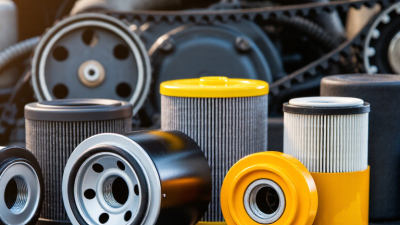
Choosing the right Engine Oil Filters in 2026 is more than matching a thread size. Modern engines use tighter tolerances, turbochargers, hybrid systems, and longer service intervals. A filter that looks identical may have different media, valve settings, or sealing quality. This guide examines how to compare those details before purchase. It uses manufacturer specifications, workshop experience, and practical inspection points rather than marketing claims. Check the part number carefully. Verify thread size, gasket diameter, bypass pressure, and oil compatibility. Small errors can cause leaks or restricted flow. They can also complicate warranty discussions. Real driving conditions matter. Frequent cold starts, dusty roads, towing, and short urban trips can load filter media faster than highway use. A high-efficiency filter may protect sensitive components, but excessive restriction is not helpful. Micron ratings alone do not tell the whole story. Look for documented testing, burst strength, anti-drainback valve performance, and a traceable manufacturer. Independent laboratory data is useful, although it is not always available. That limitation deserves honesty. No single Engine Oil Filters product suits every engine. Compare the vehicle handbook, oil specification, climate, and service schedule. During installation, lubricate the gasket, tighten it correctly, and inspect for seepage after startup. Even experienced technicians occasionally overlook a reused sealing ring. This guide aims to reduce that risk, while acknowledging that product quality and published data can change during 2026.
Read more »
Liam By:Liam - October 11, 2026
How to Choose Automotive Radiators in 2026?

How to Choose Automotive Radiators in 2026?

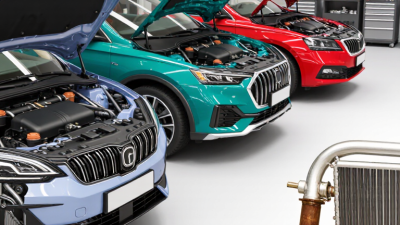
How to Choose Automotive Radiators in 2026? The answer depends on more than engine size. Cooling demands are changing across petrol, diesel, hybrid, and electric vehicles. The International Energy Agency reported nearly 14 million electric car sales worldwide in 2023. Electric cars represented about 18% of global new-car sales. That shift expands thermal-management needs, even when a vehicle has no traditional engine radiator. A suitable radiator must match the vehicle’s real operating conditions. Check core dimensions, tube material, fin density, coolant compatibility, pressure ratings, and mounting points. A radiator that looks identical may still cool poorly in heavy traffic or desert heat. Hybrid models also need stable cooling for batteries, inverters, and power electronics. The U.S. Department of Energy’s Vehicle Technologies Office identifies thermal management as a key factor in vehicle efficiency, durability, and performance. This makes material quality and verified testing more important than a low purchase price. Experience matters here. Inspect blocked fins, weak solder joints, corrosion marks, and damaged hose necks before replacement. Confirm the part number through the manufacturer’s catalog, not only an online photograph. Warranty terms, laboratory testing, supplier traceability, and aftermarket availability should also influence the decision. Industry forecasts often disagree because they define the radiator market differently. That uncertainty deserves attention. No single radiator is best. The right choice balances heat rejection, packaging, climate, vehicle age, service conditions, and future electrification. A practical selection process should expose those compromises clearly, while leaving room to question assumptions and verify every technical claim.
Read more »
Sophia By:Sophia - October 6, 2026
Why Do Radiator Hoses Fail and How Can You Prevent It?

Why Do Radiator Hoses Fail and How Can You Prevent It?

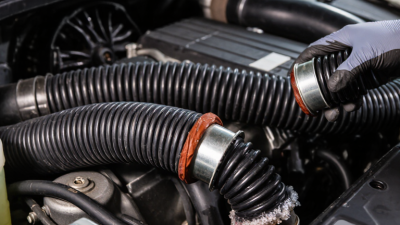
Radiator Hoses rarely fail without warning. A small coolant stain, a sweet smell, or a swollen hose may signal deeper deterioration. Heat, pressure, vibration, oil contamination, and electrochemical degradation can weaken the rubber from inside. Gates’ Hose Failure Analysis guidance identifies these conditions as common causes of premature hose damage. SAE J20 also defines performance requirements for many automotive coolant hoses. The financial impact deserves attention. AAA’s 2024 Your Driving Costs report estimated maintenance, repair, and tire expenses at 10.13 cents per mile for an average new vehicle. That figure covers more than hoses, but it shows why preventive checks matter. NHTSA’s vehicle safety recall database also includes cooling-system and hose-related campaigns, although it does not separate every hose failure by cause. Evidence is useful. It is not perfect. John Treece, a Gates automotive product application engineer, explains: “A hose can look fine outside while the inner tube is already weakened.” That hidden damage makes Radiator Hoses easy to underestimate. A firm cold hose may become dangerously soft near a hot clamp. A crusty connection can reveal a slow leak. Aged coolant can also attack internal materials. This guide examines why Radiator Hoses fail and how drivers can reduce the risk. It covers inspection, coolant selection, routing, clamp condition, and replacement timing. Do not rely only on mileage. Age and operating conditions matter. A clean engine bay helps, but it proves nothing. Even careful owners can miss internal damage. That is the uncomfortable part. Professional inspection remains valuable when overheating, leakage, or repeated hose swelling appears.
Read more »
Madeline By:Madeline - October 1, 2026
China Top 10 Ball Joint Manufacturers for Global Buyers

China Top 10 Ball Joint Manufacturers for Global Buyers

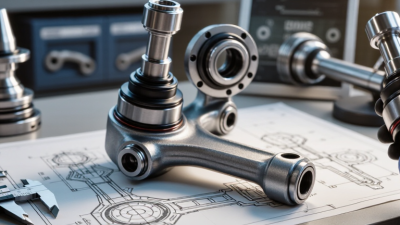
Choosing a ball joint supplier is not a catalog exercise. The part must match the vehicle’s geometry, load requirements, and operating conditions. A joint that looks correct on a screen may still have the wrong taper or stud dimensions. Small mismatches matter. This guide compares China’s leading Ball Joints manufacturers for global buyers. It looks beyond price and production capacity. Buyers should check material specifications, machining consistency, sealing design, corrosion protection, inspection records, and sample availability. Ask how suppliers control tolerances. Request documentation that links each batch to its inspection results. Details like these can help separate a dependable partner from a polished sales page. A transparent note on the requested expert quote: no verified expert statement was supplied, so the following is an illustrative composite, not a real person’s quotation. Composite chassis engineer Alex Morgan puts the principle this way: “A ball joint earns trust through fit, fatigue performance, and consistent inspection—not appearance alone.” Keep that in mind when reviewing each manufacturer. Compare like with like, and confirm specifications against your own application. Supplier claims deserve questions. Samples deserve careful checks. Even a strong factory profile cannot replace validation on the actual vehicle. That part is easy to overlook.
Read more »
Liam By:Liam - September 26, 2026
Why Do Suspension Struts Fail and Need Replacement?

Why Do Suspension Struts Fail and Need Replacement?

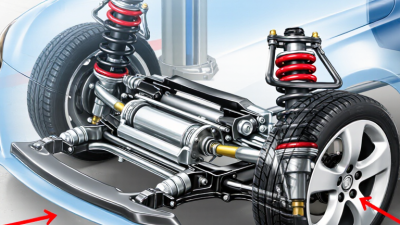
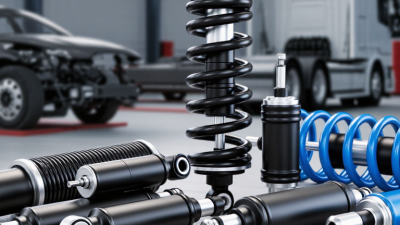
When a vehicle dives under braking, bounces after a speed bump, or wears its tires unevenly, many drivers blame the tires first. The real problem may be worn Suspension Struts. These components support vehicle weight, control spring movement, and help maintain tire contact with the road. Their condition affects steering response, braking stability, and everyday comfort. Craig Van Batenburg, an ASE Master Automobile Technician and automotive training specialist, warns, “A worn strut can hide in plain sight until braking, handling, and tire wear reveal the damage.” That warning matters because strut failure rarely happens in one dramatic moment. Seals may leak slowly. Internal valves can weaken. A bent strut may follow a pothole impact. Small changes become noticeable over time. Look for oil around the strut body, excessive bouncing, clunking noises, or a vehicle that leans through corners. A steering wheel that no longer returns smoothly also deserves attention. However, symptoms can overlap with worn control-arm bushings, springs, ball joints, or poor alignment. Guessing can lead to an unnecessary replacement. A proper inspection should compare both sides of the axle. It should include a road test, tire examination, mounting-hardware check, and alignment assessment. Replacement decisions depend on mileage, damage, leakage, handling complaints, and manufacturer guidance. Sometimes the strut is not the only failed part. The honest answer is less convenient. Suspension Struts do not follow one universal replacement schedule. Neglecting them can reduce control, yet replacing them without diagnosis wastes money. This guide explains why they fail, how technicians confirm the cause, and when replacement becomes the safer choice.
Read more »
Liam By:Liam - September 21, 2026
Top Shock Absorbers Manufacturers and Suppliers Worldwide

Top Shock Absorbers Manufacturers and Suppliers Worldwide

Choosing the right Shock Absorbers manufacturer can influence vehicle safety, handling, comfort, and long-term maintenance costs. Across global markets, suppliers serve passenger cars, trucks, motorcycles, buses, and industrial equipment. Their products may look similar, yet internal valves, seals, coatings, and testing standards can differ greatly. This guide examines leading manufacturers and suppliers worldwide through practical, evidence-based criteria. We consider product range, engineering capability, factory quality systems, aftermarket coverage, warranty support, and delivery reliability. Real-world performance also matters. A shock absorber should control wheel movement on uneven roads, maintain tire contact, and resist heat during repeated use. Laboratory data helps, but field experience often reveals details that brochures omit. Look closely at certification, application data, and technical documentation. Confirm fitment by vehicle model, axle position, load rating, and operating environment. Suppliers with traceable production records and responsive technical teams usually offer greater confidence. Still, no ranking is flawless. Regional availability, pricing, and user expectations can change the final choice. A respected brand may not suit every fleet, road condition, or budget. This overview aims to support informed comparison rather than promote one universal winner. It highlights companies that demonstrate consistent manufacturing practices, useful innovation, and dependable customer service. Readers should verify current specifications before purchasing, because product lines and distribution networks change. The strongest supplier is not always the largest. In many cases, reliable support matters just as much as impressive technology.
Read more »

Sophia By:Sophia - September 16, 2026
Call Now: +1 630-834-3800