
0%

Choosing reliable Spark Plugs is rarely as simple as selecting the most familiar logo. Global buyers face different engines, climates, fuel qualities, and vehicle standards. A plug that performs well in a cool European workshop may behave differently in a humid coastal market. Heat range matters. So do thread size, reach, electrode material, gap stability, and resistance to fouling.

Engine builder and technical author David Vizard describes the spark plug as “a window into the combustion chamber.” This practical view guides our comparison. A plug can reveal deposits, weak ignition, overheating, or an incorrect mixture. Small details matter.

This guide examines the top 10 Spark Plugs brands for international buyers. It considers manufacturing reputation, technical support, product consistency, application coverage, and value over the service life. We also look beyond advertising claims. Laboratory testing is useful, but workshop experience can reveal problems that brochures omit. Packaging quality, traceability, and regional availability deserve attention too.

No ranking is perfectly universal. That is worth admitting. Different engines reward different designs, and price alone cannot measure reliability. Some premium plugs may offer excellent durability, while budget options remain sensible for ordinary applications. The right choice depends on verified specifications, not confident guesses. Buyers should confirm the manufacturer’s part number, recommended gap, and engine compatibility before ordering. A few minutes of checking may prevent rough starting, misfires, and unnecessary replacement costs.
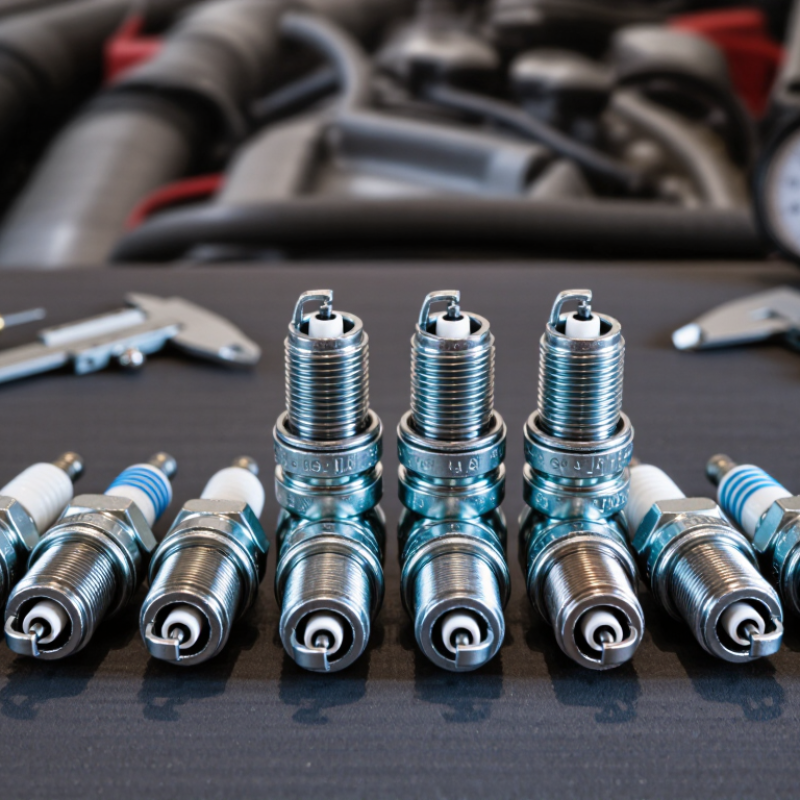
Top 10 Spark Plug Brands for Global Buyers

How Spark Plug Brands Are Evaluated for Global Buyers

Top 10 Spark Plug Brands for Global Buyers

Global buyers should evaluate spark plug brands through evidence, not packaging claims. Fitment coverage comes first, including engine code, thread size, reach, and heat range. A small mismatch can cause hard starting, overheating, or misfiring. The 2024 Grand View Research market analysis reports steady growth in global spark plug demand, driven by vehicle ownership and replacement needs. This growth also increases the risk of inconsistent aftermarket quality.

Independent testing should examine ignition stability, electrode wear, corrosion resistance, and performance after repeated heat cycles. The SAE J573 standard provides useful dimensional guidance, while ISO 9001 certification can indicate controlled manufacturing processes. However, certification alone proves little about real-world durability. Buyers should request test conditions, sample sizes, and warranty data. Vague laboratory language deserves caution.

Supply reliability matters as much as technical performance. S&P Global Mobility’s aftermarket studies show that vehicle age and repair demand strongly influence replacement-part purchasing. Therefore, a strong supplier should offer stable regional inventory, traceable batch codes, multilingual technical sheets, and clear returns procedures. Delivery records can reveal more than a polished catalogue.

Real roads are less predictable.

In my experience, one ranking cannot suit every market. A plug tested in a clean laboratory may behave differently in dusty, humid, or high-altitude conditions. Buyers should compare total cost, not unit price. The lowest quotation may bring higher fitting time, returns, and fleet downtime. That point is often underestimated.

How Spark Plug Brands Are Evaluated for Global Buyers

This procurement framework uses normalized weights based on the factors most commonly considered in international spark plug sourcing: vehicle compatibility, technical performance, durability, compliance, supply reliability, and total cost.

Compatibility and technical performance receive the highest weight because the correct heat range, thread specification, reach, electrode design, and ignition characteristics are essential for safe and reliable engine operation. The percentages represent evaluation weights, not market share or brand rankings.

Top 10 Spark Plug Brands and Their Core Product Strengths

Global buyers should assess the top ten spark plug brands by product strength, not fame alone. Grand View Research valued the automotive spark plug market at about USD 4.7 billion in 2023. It also projects steady growth through 2030. That demand rewards dependable engineering.

The strongest product portfolios usually cover ten clear strengths.

Precious-metal electrodes support longer service life.
Iridium designs offer strong ignition with smaller center electrodes.
Platinum plugs balance durability and cost.
Copper-core models provide quick heat transfer.
Wide heat ranges suit different engine loads.
Precise gap control improves cold starting.
Sealed insulators resist moisture and vibration.
Extensive application catalogs reduce fitment errors.
Factory testing improves consistency between batches.
Regional packaging and traceability support safer purchasing.

I would still question any “universal” performance claim. Engine design changes everything.

Tips: Match the plug number, thread size, reach, and heat range with the engine maker’s data. Check the latest catalog, not an old warehouse label. The IEA reported more than 17 million electric cars sold globally in 2023, yet combustion and hybrid engines remain widely used. Buyers should therefore compare lifecycle cost, not only unit price. Ask for ISO 9001 evidence, test records, and batch codes. A low price can hide uneven gaps or weak sealing. That mistake becomes expensive in remote fleets.

Comparing Spark Plug Types, Materials, and Performance

Top 10 Spark Plug Brands for Global Buyers

Comparing Spark Plug Types, Materials, and Performance

A global buyer should compare construction before comparing labels. Copper-core plugs usually cost less and transfer heat efficiently. However, their nickel electrodes often wear faster under high-mileage use. Platinum plugs resist erosion better, while iridium designs generally support smaller electrodes and stronger ignition focus.

Material matters, but fit matters more. A plug with the wrong heat range can foul, overheat, or damage an engine. Thread reach, gap specification, resistance, and sealing design must match the vehicle maker’s data. SAE technical guidance treats these details as essential for repeatable ignition performance, not optional features. Real workshop testing supports that view.

The market is aging.

S&P Global Mobility reported an average U.S. vehicle age of 12.6 years in 2024. That increases demand for replacement parts, but older engines can hide oil leaks, weak coils, or carbon deposits. A premium electrode cannot repair those problems. Independent testing should include cold starts, idle stability, fuel use, and electrode wear after service intervals. Laboratory claims can look convincing. Road conditions are less polite. One limitation remains: published performance figures rarely use identical engines, fuels, and maintenance schedules. Buyers should therefore treat dramatic efficiency claims carefully and prioritize verified specifications, installation accuracy, and local operating temperatures.

Top 10 Spark Plug Brands for Global Buyers - Comparing Spark Plug Types, Materials, and Performance

Brand-neutral comparison of widely used spark plug configurations. Actual compatibility, heat range, gap, thread dimensions, and replacement interval must always follow the vehicle or engine manufacturer's specification.

Rank Common Spark Plug Configuration Electrode Material Typical Application Key Performance Characteristics Service-Life Position Global Buyer Considerations Overall Use-Case Rating
1 Fine-Wire Iridium, Single Ground Electrode Iridium center electrode Modern gasoline passenger cars, motorcycles, and light commercial vehicles Low required firing voltage, stable ignition, strong resistance to erosion, and reliable cold-start performance Generally among the longest-lasting conventional spark plug configurations when correctly specified Premium purchase price; precise heat range and correct gap are essential ★★★★★
2 Platinum, Single Ground Electrode Platinum center electrode Passenger vehicles requiring improved durability over standard nickel-alloy plugs Better wear resistance and more consistent spark performance than basic nickel-alloy designs Typically longer service life than standard nickel-alloy plugs, subject to engine specifications Good balance between cost, availability, and durability ★★★★☆
3 Double Platinum Platinum center and ground electrodes Engines using ignition systems that place similar wear demands on both electrodes Improved electrode wear control and consistent gap retention over extended use Designed for extended intervals compared with conventional nickel-alloy plugs Often selected for specific waste-spark ignition systems; application matching is critical ★★★★☆
4 Nickel-Alloy Standard Plug Nickel-alloy electrode Older gasoline engines, small engines, motorcycles, and cost-sensitive maintenance programs Simple construction, dependable ignition, and broad availability Usually shorter service life than platinum or iridium configurations Low unit cost and easy sourcing; more frequent inspection or replacement may be required ★★★☆☆
5 Fine-Wire Platinum Fine-wire platinum center electrode Fuel-efficient gasoline engines and applications requiring a focused spark Reduced electrode size can support efficient ignition while platinum improves erosion resistance Longer-lasting than standard nickel-alloy designs in suitable applications Useful for buyers seeking a mid-to-premium option without moving to iridium ★★★★☆
6 Multi-Ground Electrode Plug Nickel-alloy or precious-metal center electrode Selected original-equipment applications and engines designed for multiple ground paths Multiple ground electrodes can support service durability, but they do not automatically create multiple sparks Service life depends heavily on electrode material and engine operating conditions Not a universal performance upgrade; use only where the engine manufacturer specifies the design ★★★☆☆
7 Projected-Tip Spark Plug Nickel-alloy, platinum, or iridium Engines designed to position the spark closer to the combustion chamber center Can support combustion stability and fouling resistance when matched to the intended engine design Varies according to the electrode material and thermal loading Thread reach and projection must be exact to prevent interference or incorrect combustion behavior ★★★★☆
8 Resistor Spark Plug Resistive construction with specified electrode material Most modern road vehicles and engines with electronic control systems Reduces electromagnetic interference that can affect radios, sensors, and vehicle electronics Comparable to the underlying electrode material when the correct resistor value is used Important for electronic compatibility; replacing it with a non-resistor type may cause interference ★★★★★
9 Racing or High-Temperature Special-Application Plug Short-reach or specialized precious-metal design Motorsport, modified engines, high-rpm operation, and specialized competition applications Optimized for particular combustion temperatures, cylinder pressures, and operating ranges Often shorter than road-use intervals because of severe operating conditions Not intended as a general road-car upgrade; heat range and installation torque require expert control ★★★☆☆
10 Gas-Fuel-Compatible Spark Plug Nickel-alloy, platinum, or iridium Engines operating on LPG, CNG, or other gaseous fuels where specified Designed around the different ignition and thermal characteristics of gaseous fuels Depends on fuel composition, engine calibration, electrode material, and operating temperature Use only with the correct fuel-specific heat range, gap, and engine application ★★★★☆
Selection guidance: Confirm thread diameter, reach, seat type, heat range, resistor specification, electrode gap, and required material before purchasing. Performance claims are application-dependent; a premium material cannot compensate for an incorrect plug specification.

Matching Spark Plug Brands to Vehicles and Driving Conditions

Top 10 Spark Plug Brands for Global Buyers

Matching a spark plug to a vehicle requires more than choosing a familiar name. Check the owner’s manual for thread size, reach, seat type, heat range, and gap specification. A plug can fit physically yet perform poorly. Modern engines may need precise electrode designs for stable ignition, lower emissions, and cold starting.
Driving conditions also change the right choice. Short urban trips can create deposits, while long highway journeys raise operating temperatures. Towing, dusty roads, high altitude, and tropical humidity add different demands.
Use the vehicle maker’s approved specification as your baseline. Independent fitment data and professional workshop testing can help confirm it. I have seen drivers focus on price, then overlook heat range. That shortcut often creates hesitation, rough idling, or early wear.

Tips: Compare the exact engine code, not only the vehicle model. Inspect the old plug for oil, ash, fuel fouling, or melted electrodes. Never adjust a fine-wire gap carelessly. Buy sealed products from traceable suppliers, and verify the package code before installation. Keep the removed plug for reference. Small details matter. A rushed selection may still start the engine, but reliable performance is another question.

Global Purchasing Factors: Compatibility, Availability, and Support

Top 10 Spark Plug Brands for Global Buyers

Compatibility should lead every global purchasing decision. A plug can look identical yet fail because of heat range, thread reach, seat design, or electrode gap. Check the engine code, VIN, resistance value, and manufacturer cross-reference before ordering. OICA recorded 93.5 million vehicles produced worldwide in 2023, showing how widely engine specifications can vary. One wrong application may create misfires, wasted labor, and avoidable returns.

Availability matters after technical fit. ACEA’s 2024 Vehicles on European Roads report placed the average EU car age at 12.5 years. Older vehicles need dependable replacement coverage, not only the newest applications. Ask suppliers about regional inventory, batch traceability, packaging protection, and delivery performance. Support should include clear installation data, gap guidance, warranty terms, and fast technical replies. I would not assume every online catalog is perfect. Superseded references and regional variations still cause purchasing mistakes. The IEA reported nearly 14 million electric car sales in 2023, so demand for spark plugs may gradually narrow in some markets.

Tips: Build a fitment checklist before requesting quotations. Compare at least two catalog references. Request photos of markings and packaging. Keep one tested sample for future verification. A low price is meaningless when support is absent.

FAQS

What should global buyers check before ordering spark plugs?

Fitment comes first. Check the engine code, VIN, thread size, reach, seat design, and heat range. Confirm the electrode gap and resistance value. A small mismatch can cause misfiring or difficult starting.

Why is compatibility more important than appearance?

Similar-looking plugs can have different dimensions. One wrong reach may damage internal engine parts. Compare at least two catalog references. Keep a verified sample nearby.

Which tests can reveal spark plug quality?

Useful tests examine ignition stability, electrode wear, corrosion resistance, and repeated heat cycles. Ask for test conditions and sample sizes. Vague laboratory claims need caution.

Do certifications guarantee long-term durability?

No certification proves everything. Manufacturing controls are helpful, but real-world durability needs evidence. Request warranty records, failure data, and field-test details. The conclusion may still be incomplete.

What supply information should buyers request?

Ask about regional inventory, batch codes, packaging protection, and delivery records. Clear returns procedures also matter. A polished catalog is not enough.

How do older vehicles affect purchasing decisions?

Older vehicles often need continued replacement coverage. Check discontinued references and regional variations carefully. Online catalogs can contain outdated information. I would not trust them blindly.

How can climate and road conditions change performance?

Dust, humidity, and high altitude can affect ignition behavior. Laboratory results may not match daily driving conditions. Real roads differ. Consider local testing when possible.

Should buyers choose the lowest unit price?

Compare total cost, not only the quotation. Include fitting time, returns, shipping, and vehicle downtime. A cheap plug may become expensive later. This point is often underestimated.

What should a practical purchasing checklist include?

Record the engine code, VIN, dimensions, gap, resistance, and cross-reference. Request marking and packaging photos. Test one sample before ordering larger quantities. The checklist helps, but it is not flawless.

Conclusion

Choosing the right Spark Plugs for global buyers requires more than comparing prices or popularity. Reliable evaluation should consider ignition performance, service life, heat range, material quality, manufacturing consistency, and suitability for different engine designs. This overview presents ten leading categories of spark plug products by highlighting their core strengths, including efficient combustion, stable cold starts, strong resistance to heat, and dependable performance under demanding conditions. It also explains the differences between copper-core, platinum, iridium, and other advanced designs, helping buyers understand how materials affect durability, fuel efficiency, and maintenance intervals.

Selecting the best option depends on vehicle specifications, engine requirements, driving habits, climate, and road conditions. Buyers should verify thread size, reach, heat range, electrode design, and gap recommendations before purchase. For international sourcing, compatibility documentation, product availability, packaging quality, warranty terms, technical support, and supplier communication are equally important. A balanced decision combines technical fit, long-term value, and dependable service across different markets.

Sophia

Sophia

Sophia is a dedicated marketing professional with a deep expertise in the company’s product offerings. With her extensive knowledge and passion for innovative marketing strategies, she consistently delivers insightful blog posts that enhance the company’s online presence. Her writings not only......
Call Now: +1 630-834-3800