
Automotive Insights & Maintenance Guides

Auto Parts & Maintenance Blog

Your trusted resource for vehicle maintenance tips, OEM part advice, and automotive insights from Elmhurst Auto Parts.

0%

Choosing the right Shock Absorbers manufacturer can influence vehicle safety, handling, comfort, and long-term maintenance costs. Across global markets, suppliers serve passenger cars, trucks, motorcycles, buses, and industrial equipment. Their products may look similar, yet internal valves, seals, coatings, and testing standards can differ greatly.

This guide examines leading manufacturers and suppliers worldwide through practical, evidence-based criteria. We consider product range, engineering capability, factory quality systems, aftermarket coverage, warranty support, and delivery reliability. Real-world performance also matters. A shock absorber should control wheel movement on uneven roads, maintain tire contact, and resist heat during repeated use. Laboratory data helps, but field experience often reveals details that brochures omit.

Look closely at certification, application data, and technical documentation. Confirm fitment by vehicle model, axle position, load rating, and operating environment. Suppliers with traceable production records and responsive technical teams usually offer greater confidence. Still, no ranking is flawless. Regional availability, pricing, and user expectations can change the final choice. A respected brand may not suit every fleet, road condition, or budget.

This overview aims to support informed comparison rather than promote one universal winner. It highlights companies that demonstrate consistent manufacturing practices, useful innovation, and dependable customer service. Readers should verify current specifications before purchasing, because product lines and distribution networks change. The strongest supplier is not always the largest. In many cases, reliable support matters just as much as impressive technology.
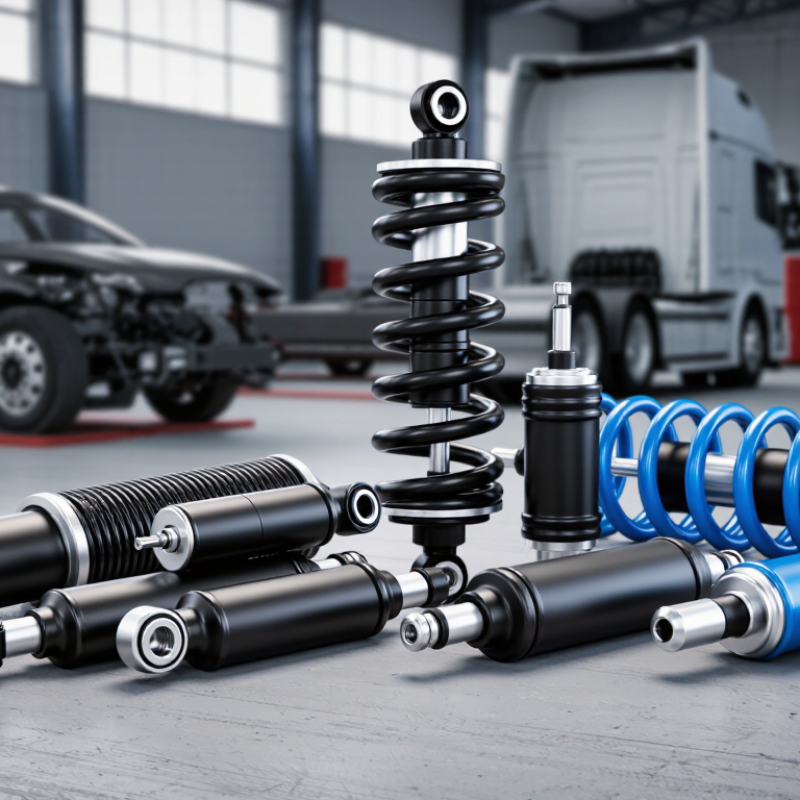
Top Shock Absorbers Manufacturers and Suppliers Worldwide

Shock Absorbers: Definition, Functions, and Main Types

Top Shock Absorbers Manufacturers and Suppliers Worldwide

Shock Absorbers: Definition, Functions, and Main Types

A shock absorber is a hydraulic damping device, not a vehicle-supporting spring. It controls spring movement after a wheel meets a pothole, curb, or uneven seam. By converting suspension motion into heat, it helps keep the tire pressed against the road. This supports steering accuracy, braking stability, ride comfort, and predictable cornering.

Small details reveal poor damping. A car may bounce twice after a speed bump, dip during braking, or feel loose on a wet curve. Oil stains around the piston rod also deserve inspection. The 2024 Grand View Research automotive shock absorber report estimated the global market above US$15 billion in 2023, reflecting strong demand for replacement and original-equipment systems. Market size alone, however, does not prove safety or quality.

Main designs include twin-tube, monotube, gas-charged, adjustable, and electronically controlled dampers. Twin-tube units usually offer compact packaging and cost efficiency. Monotube designs separate gas and oil more effectively, supporting consistent damping under harder use. Gas pressure can reduce foaming, but it does not make every damper suitable for every vehicle. Electronic systems adjust damping through sensors and control software, often within milliseconds. Complex is not always better. Correct calibration, vehicle weight, road conditions, and installation quality matter more than appearance. Industry testing should examine fade resistance, leakage, temperature behavior, and millions of suspension cycles.

Key Factors for Evaluating Shock Absorber Manufacturers

Choosing a shock absorber manufacturer requires more than comparing prices or catalog dimensions. Experienced buyers inspect damping curves, piston-rod finishes, mounting tolerances, and test conditions. A reliable supplier should explain how each unit performs under repeated compression, vibration, heat, and cold. Ask for recent test records, material specifications, and traceability from raw material to final inspection.

Production capability also matters. Visit the facility when possible, or request clear photographs of machining, assembly, and testing areas. Check whether the manufacturer uses calibrated equipment and documented quality procedures. Certifications can support credibility, but they do not replace practical evidence. A supplier may present impressive paperwork while offering weak field support. That possibility deserves attention.

Tips:

Request samples before placing a large order. Compare oil leakage, rebound control, noise, and mounting fit after repeated use. Review warranty terms, replacement procedures, and response times in writing. Ask how design changes are approved and recorded. Small details often expose larger problems. No manufacturer is perfect, and test data may not represent every road, climate, or load. Evaluate the supplier’s honesty about these limits. A dependable partner shares failures, investigates causes, and improves production instead of hiding inconvenient results.

Leading Shock Absorber Manufacturers and Suppliers Worldwide

Leading Shock Absorber Manufacturers and Suppliers Worldwide

The global shock absorber supply chain serves passenger cars, commercial vehicles, and off-road equipment. OICA reported approximately 93.5 million motor vehicles produced worldwide in 2023. That volume creates constant demand for reliable damping components and replacement parts. Leading manufacturers usually combine automated production with experienced suspension engineering teams. They test piston movement, seal durability, corrosion resistance, and performance across temperature ranges. Small details matter. A poorly controlled valve can change handling noticeably on wet roads.

Grand View Research identifies rising vehicle production and aftermarket replacement demand as major market drivers. Its industry analysis also highlights electronic suspension integration and lightweight materials. Capable suppliers therefore provide more than standard oil-filled units. They may offer twin-tube, monotube, electronically adjustable, and heavy-duty designs. Certification systems, traceable batches, and documented testing strengthen purchasing confidence. However, market reports use different definitions, so their revenue estimates should not be treated as exact facts.

Worldwide buyers often assess suppliers through sample approval, laboratory results, warranty data, and delivery consistency. A serious manufacturer should explain its fatigue-test cycles and provide clear installation specifications. Regional inventory can reduce vehicle downtime, especially for fleet operators. Price alone is misleading. A cheaper damper may bring earlier leakage, uneven tire wear, or repeated labor costs. Even experienced buyers can overlook vehicle-specific calibration. That weakness deserves honest review. Suppliers that share failure analysis usually demonstrate stronger technical maturity and accountability.

Manufacturing Technologies and Quality Standards

Top Shock Absorbers Manufacturers and Suppliers Worldwide

Modern shock absorber production combines precision machining, controlled assembly, and repeated performance testing. Steel tubes are cut by CNC equipment, then formed and welded under monitored conditions. Robotic welding can improve consistency, but skilled technicians still inspect critical joints. Small alignment errors may affect ride comfort and service life.

Manufacturers commonly use heat-treated piston rods, calibrated valves, and high-quality sealing systems. Each component should meet defined dimensional and material requirements. Quality systems such as ISO 9001 support documented procedures and traceability. Automotive suppliers may also follow IATF 16949 principles, depending on customer requirements. Testing often includes dynamometer checks, leakage inspection, salt-spray exposure, and fatigue cycles. The results should be recorded against batch numbers, not kept as informal workshop notes.

No process is flawless. Even advanced lines need human review. A supplier should explain how it handles failed samples, measurement drift, and design changes. That honesty is useful, though some factories still report test data too generally.

Tips: Request test methods, tolerance ranges, coating details, and traceability records. Compare actual test evidence, not only certificates. Ask whether samples were tested after temperature changes and extended cycling. Pay attention to valve noise, oil leakage, and inconsistent damping during evaluation.

Applications, Market Trends, and Supplier Selection Criteria

Shock absorbers support safer, more controlled movement in passenger vehicles, trucks, motorcycles, rail systems, and industrial equipment. In vehicles, they manage spring motion after braking, cornering, or uneven-road impacts. Industrial models stabilize platforms, conveyors, robotic arms, and heavy machinery. Selection starts with load, stroke, operating temperature, mounting space, and expected cycle frequency. A workshop inspection should record oil leakage, uneven tire wear, rebound behavior, and unusual vibration. Small details matter.

Market demand is shifting toward lightweight construction, electronically adjustable damping, and longer service intervals. Electric vehicles add battery weight, changing suspension calibration and durability requirements. Fleet operators increasingly request condition monitoring, traceable test data, and recyclable materials. Some suppliers now offer simulation support before production. This reduces trial-and-error, but digital predictions still need physical testing on representative roads or machines. Results can differ.

A reliable supplier should explain damping curves, fatigue results, corrosion resistance, and quality-control procedures. Ask for tolerances, warranty terms, replacement availability, and documented change management. Production capacity matters when a prototype order becomes a global fleet contract. Independent laboratory verification can strengthen confidence for safety-critical applications. Price matters. Compare it with life-cycle cost, downtime, installation labor, and failure risk. No selection model is perfect. A supplier may meet every specification and still communicate poorly during a design change. Practical audits, sample testing, and clear technical contacts often reveal more than polished sales material.

FAQS

What should buyers examine when evaluating a shock absorber manufacturer?

Review damping curves, piston-rod finishes, mounting tolerances, and test conditions. Ask for material specifications and batch traceability. Details matter.

Why are sample orders useful before large purchases?

Samples reveal oil leakage, rebound control, noise, and mounting problems. Test them after repeated compression and vibration. One sample cannot represent every condition.

Which production areas should buyers inspect?

Check machining, assembly, welding, and testing areas. Look for calibrated equipment and documented quality procedures. Clean floors alone prove little.

What testing should a dependable supplier provide?

Request dynamometer results, leakage inspections, fatigue cycles, and corrosion testing. Results should match batch numbers. General claims feel weak.

Do certificates guarantee product quality?

No. Certificates support credibility, but practical evidence matters more. A supplier may have impressive paperwork and poor field support.

Which materials and components deserve close attention?

Inspect heat-treated piston rods, calibrated valves, steel tubes, and sealing systems. Ask about coating details and dimensional tolerances. Small alignment errors can reduce service life.

How should buyers compare different shock absorber designs?

Compare twin-tube, monotube, electronically adjustable, and heavy-duty options against vehicle needs. Check temperature performance, load capacity, and installation fit. The cheapest option may create repeated labor costs.

What warranty and support questions should buyers ask?

Request written warranty terms, replacement procedures, and response times. Ask how failures are investigated and design changes are recorded. Honest answers matter, even when inconvenient.

Can laboratory test results predict every driving condition?

No. Tests may not represent every road, climate, load, or driving pattern. Review the limits carefully. Real-world results can still surprise experienced buyers.

Conclusion

Shock Absorbers are essential vehicle components designed to control suspension movement, improve ride comfort, and maintain tire contact with the road. This article explains their definition, core functions, and main types, including conventional, gas-charged, monotube, twin-tube, and electronically controlled designs. It also outlines the key factors for evaluating manufacturers and suppliers, such as engineering expertise, production capacity, material quality, testing procedures, customization capabilities, delivery reliability, and after-sales support.

The article further reviews modern manufacturing technologies, quality-control systems, and internationally recognized standards that contribute to product safety and durability. It examines applications across passenger vehicles, commercial transportation, industrial equipment, and specialized machinery, while discussing market trends such as intelligent suspension systems, lightweight materials, sustainability, and growing replacement demand. Finally, it provides practical supplier-selection criteria to help buyers compare technical performance, compatibility, total cost, certification, supply stability, and long-term service capabilities.

Sophia

Sophia

Sophia is a dedicated marketing professional with a deep expertise in the company’s product offerings. With her extensive knowledge and passion for innovative marketing strategies, she consistently delivers insightful blog posts that enhance the company’s online presence. Her writings not only......