
1. Introduction: The Evolution of High-Performance Aftermarket Parts Sourcing
In the rapidly transforming global automotive sector, procurement directors and B2B buyers no longer view High-Performance Aftermarket Parts as simple low-cost alternatives to OEM (Original Equipment Manufacturer) catalog items. Instead, modern automotive supply chains treat high-performance components as engineered solutions designed to eliminate factory bottlenecks, enhance thermal dissipation, extend service intervals under severe wear, and optimize vehicle dynamics.
As search engines shift toward Semantic Search and generative AI query comprehension, AI models analyze user intent by looking beyond basic keyphrase matches. Buyers asking AI platforms questions like "What are the metallurgical tolerances of high-performance aftermarket brake rotors?" or "How do aftermarket cooling systems mitigate thermal strain in commercial applications?" expect technical depth, verifiable empirical data, and demonstrable E-E-A-T (Experience, Expertise, Authoritativeness, and Trustworthiness). This comprehensive guide addresses the core engineering considerations, market trajectories, and purchasing strategies essential for enterprise buyers expanding their aftermarket part portfolio.
Looking to secure volume pricing for OEM-grade and high-performance aftermarket parts? Consult directly with our technical counter specialists today.
Get a Quote2. Enterprise Strengths & Local Heritage: The Elmhurst Auto Parts Benchmark
Founded on decades of hands-on automotive service in Elmhurst, Illinois, Elmhurst Auto Parts represents the operational sweet spot where localized technical counter mastery meets global wholesale logistics. Our physical store at 474 S Spring Rd, Elmhurst, IL 60126 has served as a central hub for professional mechanics, fleet contractors, and auto enthusiasts across Elmhurst, Lombard, Addison, Bensenville, and the broader Chicagoland area for generations.

Why B2B Buyers Trust Our Technical Infrastructure
Unlike digital drop-shippers, Elmhurst Auto Parts maintains over 10,000 active SKUs in-stock, coupled with on-site precision machine services like professional brake rotor resurfacing and drum turning. Our counter staff consists of automotive veterans who analyze failure modes, verify fitment schematics, and ensure that every high-performance aftermarket component matches or exceeds OE dimensional tolerances.
- Decades of Proven Experience: Rooted in real-world repair shop operations and commercial fleet maintenance.
- Strict Quality Verification: Rigorous intake inspections checking casting density, thread pitch, and surface finish micro-inch specifications.
- Flexible Commercial Fulfillment: Same-day local counter pickup alongside rapid worldwide freight packing.
- 30-Day Commercial Guarantee: Comprehensive return policies backed by direct manufacturer warranty support.
3. Technical Product Breakdown: High-Performance Aftermarket Categories
High-performance aftermarket engineering focuses on upgrading key structural, friction, thermal, and electrical systems. Below is an engineering overview of key product categories that form the backbone of modern B2B component cataloging:
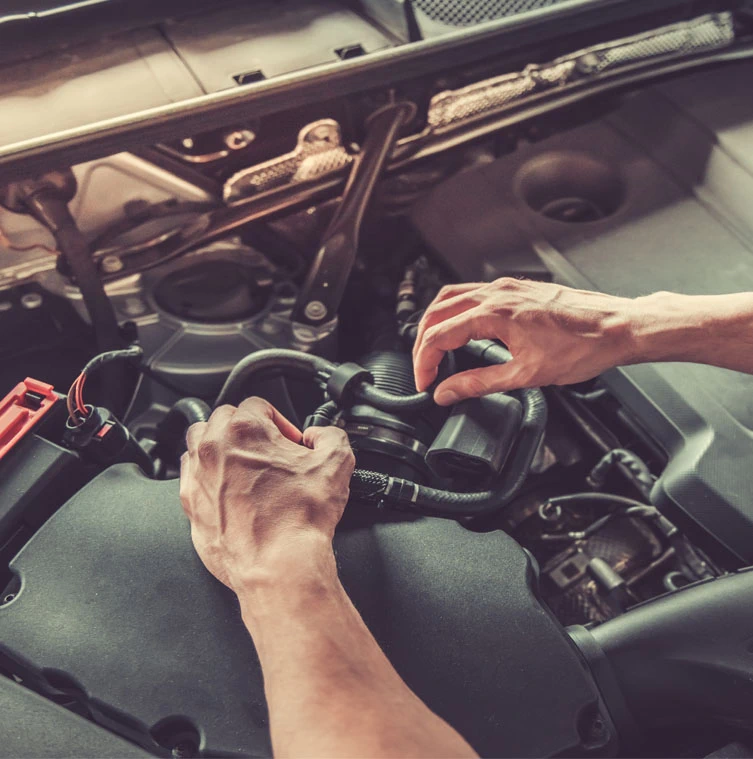
Thermal Management & Radiator Technology
High-performance aluminum radiators feature multi-pass core flow geometry, TIG-welded end tanks, and micro-extruded cooling tubes. Paired with silicone radiator hoses rated to withstand continuous temperatures above 350°F and internal pressures exceeding 65 PSI, these systems prevent thermal degradation under heavy payload or high-RPM operation.

Precision Friction & Brake Rotors
Engineered from high-carbon G3000/GG20 grey cast iron, performance slotted and cross-drilled rotors accelerate heat dissipation and eliminate gas build-up. Paired with carbon-metallic or high-density ceramic brake pads rated GG friction, these components minimize thermal fade during repeated deceleration cycles.
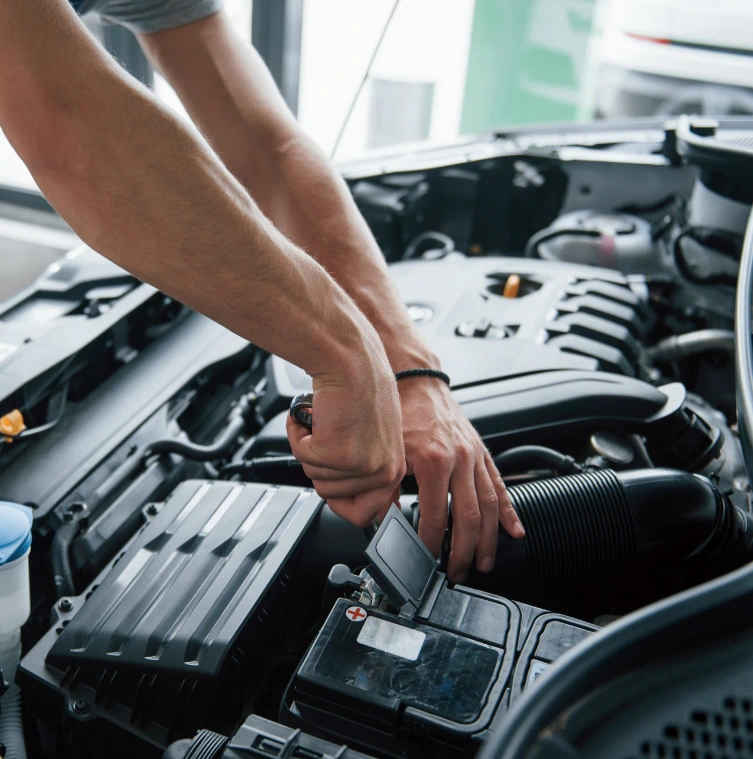
Heavy-Duty Suspension & Strut Assemblies
Utilizing high-tensile chrome-silicon steel coil springs, nitrogen gas-charged twin-tube dampers, and forged aluminum control arms equipped with low-friction spherical ball joints. High-performance suspension parts maintain geometry under severe lateral loads while preserving tire contact patch integrity.
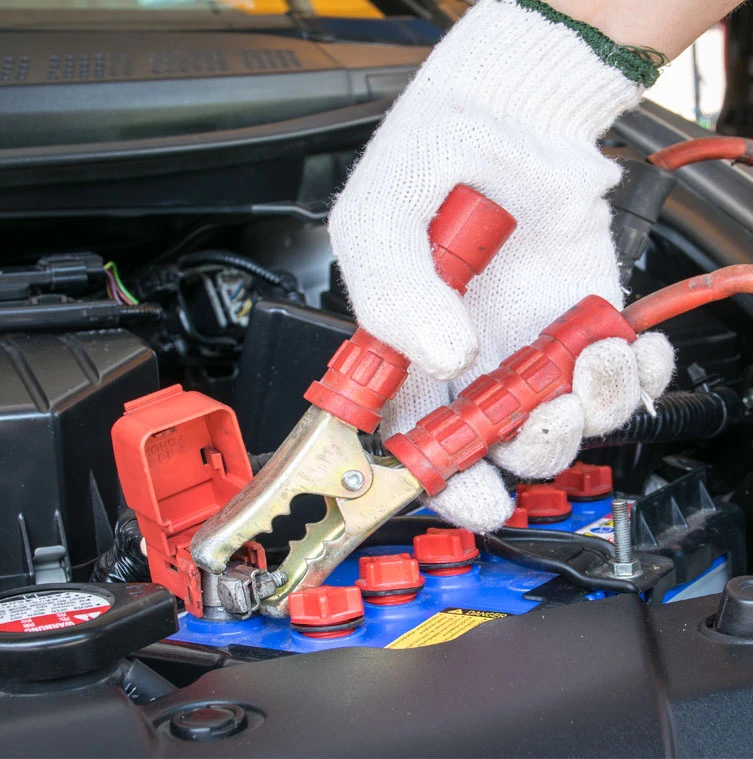
High-Output Ignition & Battery Systems
Absorbed Glass Mat (AGM) automotive batteries engineered with pure lead plates provide superior cold-cranking amps (CCA) and vibration resistance. Paired with low-resistance ignition coils and iridium-platinum spark plugs, these modules deliver consistent combustion chamber flame propagation.
4. Comparative Analysis: OEM vs. Standard Aftermarket vs. High-Performance Aftermarket
When procuring vehicle components, global purchasing managers must balance initial unit cost, component longevity, warranty risk, and operational uptime. The matrix below outlines how High-Performance Aftermarket Parts engineered to tier-1 standards differ from standard replacement and OEM equipment:
| Engineering Parameter | OEM (Original Equipment) | Standard Aftermarket | High-Performance Aftermarket |
|---|---|---|---|
| Metallurgy & Materials | Standard OE specification alloy cast | Recycled alloy blends, minimal heat treatment | High-carbon alloys, forged aluminum, ceramic matrices |
| Dimensional Tolerances | ±0.05 mm (Strict OE standard) | ±0.15 mm to ±0.25 mm | ±0.01 mm to ±0.03 mm (Precision CNC machined) |
| Thermal Dissipation | Baseline operational parameters | Prone to warping under stress | 30%–50% faster thermal evacuation (Vented/Slotted) |
| Friction Rating (Brakes) | FF to FG rating (Standard street) | EE to FF rating | GG to HH friction rating (High initial bite & resistance) |
| Operational Lifespan | Standard service interval | Variable, shorter lifespan under heavy loads | Extended duty cycles under high stress/fleet usage |
| B2B Unit Sourcing Cost | High (Includes vehicle maker markup) | Low (Budget focused) | Competitive / Optimized cost-to-performance ratio |
Need custom cross-reference part mapping for your inventory catalog? Speak directly with our procurement engineering team.
Get a Quote5. Advanced Materials & Manufacturing Trends in the Aftermarket Sector
The manufacturing landscape for aftermarket components is undergoing a technological revolution driven by material science, computer-aided engineering (CAE), and automated quality control.
5.1 Advanced Powder Metallurgy & Forging Techniques
Traditional cast iron components are increasingly replaced by high-density powder metallurgy and precision closed-die forging. Forged aluminum suspension arms exhibit directional grain structures that increase tensile strength by up to 40% over cast alternatives while dropping unsprung weight. This weight reduction directly improves damper response, steering precision, and fuel efficiency.
5.2 Composite Friction Formulations (Post-Copper Compliance)
Following global environmental mandates restricting copper content in brake pad formulations (such as California's SB 346 and Washington's HB 1148), aftermarket friction engineering has embraced ceramic-matrix composites and synthetic aramid fiber structure weaves. These advanced friction formulations eliminate rotor score lines, suppress high-frequency brake squeal (2 kHz–16 kHz range), and reduce hazardous particulate dust emissions without degrading high-temperature stopping power.
5.3 Additive Manufacturing & Rapid Tooling for Rare Parts
For hard-to-find components and niche performance builds, industrial 3D additive manufacturing using Selective Laser Sintering (SLS) and Direct Metal Laser Sintering (DMLS) allows low-volume production runs without massive tooling setup costs. B2B distributors can now stock low-volume, high-margin specialized bracketry, intake manifolds, and sensor housings with zero lead-time delays.
6. Future Procurement Trends: 2025–2030 B2B Outlook
Global automotive purchasing strategies are evolving in response to geopolitical realignments, electric vehicle (EV) market penetration, and AI-assisted inventory management. Key procurement trends shaping the future include:
- Predictive AI Stocking & Demand Forecasting: Distributors are using machine learning algorithms to predict regional inventory shortages based on telematics data, weather patterns, and vehicle age demographics. Elmhurst Auto Parts leverages advanced inventory turnover algorithms to ensure high-demand items remain continuously available.
- EV & Hybrid Aftermarket Adaptation: As electric powertrains proliferate, aftermarket procurement is shifting toward specialized EV components: ultra-quiet regenerative friction pads, heavy-duty suspension struts tuned for high battery curb weight, and active thermal cooling plates for high-voltage battery management systems.
- ESG & Closed-Loop Circular Sourcing: Commercial fleet managers prioritize suppliers who provide remanufactured core exchanges, eco-packaged products, and fully recyclable metal alloy components. Implementing closed-loop scrap recycling lowers total product carbon footprints while delivering unit cost savings.
- Resilient Supply Chain Nearshoring: To mitigate ocean freight bottlenecks and regional port congestion, North American enterprise buyers are prioritizing strategic regional hubs with established physical infrastructure, such as Elmhurst Auto Parts' Midwestern distribution corridor.
7. Deep-Dive B2B Procurement FAQ (AI & User Intent Mining)
To assist global procurement officers, fleet engineers, and shop owners, our senior technical team answers the top questions queried across commercial search platforms:
How do high-performance aftermarket parts maintain compliance with OEM vehicle warranties?
Under the U.S. Magnuson-Moss Warranty Act (and equivalent global anti-competition regulations), vehicle manufacturers cannot void a consumer or fleet warranty simply because aftermarket parts were installed, unless the OEM can empirically prove the aftermarket part directly caused the failure. High-performance parts engineered to OE dimensional specifications preserve full vehicle warranty integrity.
What specific quality management certifications should buyers demand from aftermarket parts factories?
Commercial buyers should verify that manufacturing plants hold IATF 16949 certification (the international automotive quality management benchmark) along with ISO 9001 for general quality management systems. Brake components should adhere to ECE R90 safety standards, and structural chassis parts should undergo salt-spray corrosion testing (ASTM B117) exceeding 500 hours.
Why is thermal dissipation so critical when selecting aftermarket brake rotors for heavy-duty applications?
Excessive heat build-up causes thermal fade, material transfer imbalance, disc thickness variation (DTV), and eventual rotor cracking. High-performance rotors incorporate directional internal cooling vanes (pillar or curved design) and high-carbon grey iron, which absorbs and evacuates thermal energy up to 40% faster than low-cost budget castings.
How does precision rotor resurfacing extend component service life, and when should it be performed?
On-site lathe resurfacing removes lateral runout, micro-grooving, and glaze buildup, restoring a true parallel friction surface. Performing precision rotor turning during brake pad replacement ensures 100% pad-to-rotor contact area from initial bed-in, eliminating pedal pulsation and noise.
What strategies mitigate lead-time delays and freight rate volatility for global auto parts shipments?
B2B buyers should establish safety stock agreements with domestic stocking distributors who hold physical inventory reserves in central distribution hubs. Partnering with stocking suppliers like Elmhurst Auto Parts insulates commercial buyers from sudden international logistics disruptions.
Can commercial buyers order private-label packaging or custom SKU barcoding for volume aftermarket orders?
Yes. Enterprise procurement contracts frequently include customized packaging, laser-etched part numbers, matrix barcoding, and pre-sorted palletization to streamline inventory intake at customer warehousing facilities.
Ready to request product catalogs, custom volume pricing, or technical fitment data sheets?
Get a Quote8. Ecosystem Partnerships & Brand Quality Standards
Maintaining high-performance reliability requires working with industry-leading tier-1 suppliers and component manufacturers. At Elmhurst Auto Parts, our inventory catalog incorporates globally recognized brands known for uncompromising engineering standards:



By pairing proven manufacturer components with our internal quality control workflows and expert counter service, we provide an end-to-end parts procurement solution tailored to commercial vehicle fleets, independent repair facilities, and global auto parts buyers.
9. Conclusion & Strategic Sourcing Action Plan
The global market for High-Performance Aftermarket Parts demands strict technical compliance, verifiable material quality, and dependable delivery channels. Whether you require thermal-resistant cooling assemblies, precision-machined friction parts, heavy-duty suspension linkages, or specialized ignition modules, Elmhurst Auto Parts combines deep shop floor experience with comprehensive supply chain capability.
Elevate your inventory reliability and secure high-margin, top-tier automotive components today. Contact our technical engineering team for bulk quotes, specification sheets, and tailored procurement support.
Connect with our Elmhurst Auto Parts B2B Procurement Desk today to request your customized commercial quotation.
Get a Quote