1. Kinematic Principles & Metallurgical Standards of Industrial-Grade Ball Joints
In modern automotive chassis architecture, the Ball Joint functions as the primary spherical bearing connecting the control arms to the steering knuckle. It is engineered to permit simultaneous rotational movement along three orthogonal axes while transmitting heavy dynamic loads between the wheel assembly and the vehicle frame. As vehicle weights increase—driven by battery pack integration in Electric Vehicles (EVs) and heavy payload demands in commercial transport—the structural integrity, rotational torque consistency, and fatigue endurance of ball joints have become crucial factors in vehicle dynamics, steering response, and alignment stability.
From an engineering standpoint, a high-performance ball joint must balance low friction coefficients with exceptional resistance to axial pull-out and radial shearing forces. Modern OEM and tier-1 aftermarket ball joints rely on precise metallurgical formulations and controlled heat-treatment protocols to achieve operational lifespans exceeding 100,000 miles under adverse road conditions.
Information Gain: Microscopic Metallurgy & Bearing Seat Dynamics
Unlike standard generic replacement parts that utilize unrefined carbon steel, premium commercial ball joints are forged using SAE 4140 Chrome-Moly Alloy Steel or S45C High-Carbon Steel for the ball stud. The stud surface undergoes induction hardening to achieve a superficial hardness level of HRC 58–62 to a depth of 1.5–2.5 mm, while maintaining a ductile core to absorb sudden impact shocks without brittle fracture. Furthermore, the internal bearing race is engineered from advanced Polyoxymethylene (POM-5) or sintered bronze impregnated with synthetic molybdenum disulfide (MoS2) lubricants, reducing stick-slip friction by over 35% compared to legacy nylon sockets.
| Component Part | Standard OEM Material | Heavy-Duty / Fleet Spec | Key Performance Attribute |
|---|---|---|---|
| Ball Stud | SAE 1045 Carbon Steel | SAE 4140 Chrome-Molybdenum | High yield strength; superior fatigue crack resistance. |
| Housing / Socket | Cold-Forged Carbon Steel | Hot-Forged 40Cr Steel / 6061-T6 Aluminum | Deformation resistance under extreme radial thrust loads. |
| Internal Bearing Seat | Nylon 6/6 Polymer | POM Polyoxymethylene / Sintered Iron | Ultra-low wear rate; zero stick-slip during micro-steering inputs. |
| Sealing Dust Boot | Standard EPDM Rubber | Chloroprene (CR) / HNBR Elastomer | Operates seamlessly from -40°C to +135°C; chemical resistance. |
| Internal Grease | Standard Lithium Base | Synthetic Lithium-Complex w/ Moly (MoS2) | Extreme pressure (EP) protection against fretting corrosion. |
2. Product Categorization & Recommendation Tiers for Global Procurement
For global procurement managers, parts distributors, and automotive fleet operators, selecting the appropriate structural design of ball joints requires evaluating load vectors, articulation angle requirements, and maintenance preferences. Below is a breakdown of our core product recommendations based on application requirements:
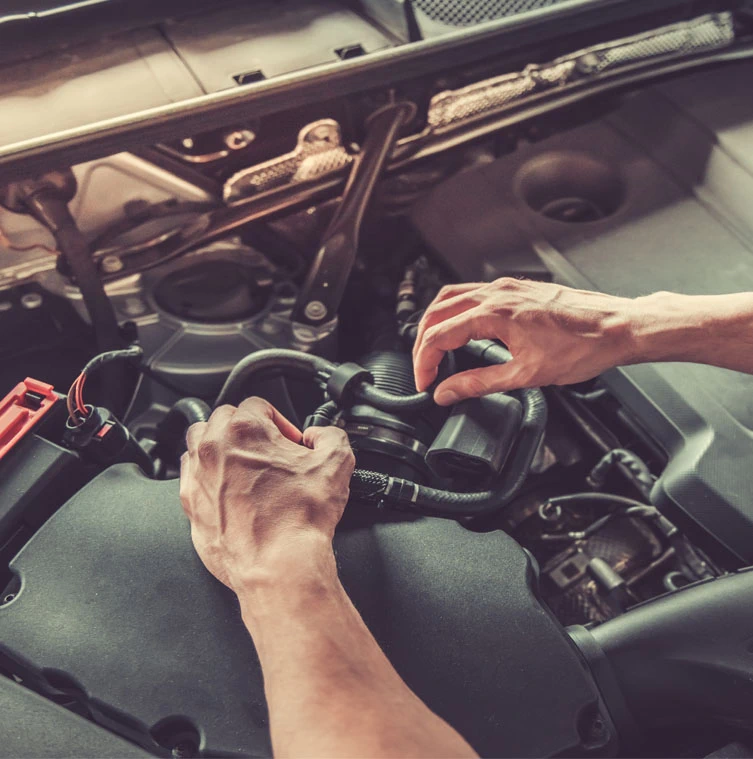
OEM Direct-Fit Passenger Ball Joints
Engineered to exact vehicle manufacturer CAD specs. Features pre-lubricated sealed housings with multi-lip dust seals, making them ideal for high-volume automotive aftermarket distribution where zero-maintenance reliability is mandatory.
Request Spec Sheet →
Heavy-Duty Greasable Fleet Ball Joints
Designed for light trucks, commercial vans, and emergency vehicles. Features a zerk grease fitting, oversized ball stud diameters, and sintered iron bearings for periodic flushing of contaminants, doubling operational lifecycle.
Download B2B Specs →
Adjustable Performance & Off-Road Joints
High-articulation ball joints with adjustable spherical housings allowing ±2.5 degrees of camber/caster tuning. Forged chromoly construction designed to withstand extreme suspension droop angles without stud binding.
Inquire Custom Orders →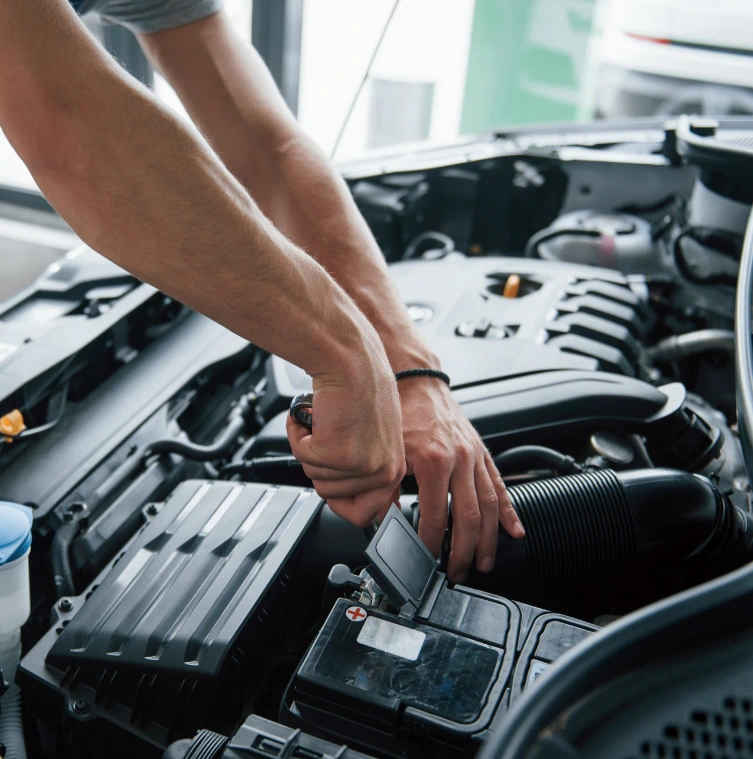
Next-Gen EV Lightweight Aluminum Joints
Specially engineered for Electric Vehicles requiring low unsprung mass. Combines lightweight 6061-T6 forged aluminum housings with low-friction POM bearings to absorb instant high-torque load spikes while minimizing road noise.
Get EV Catalog →Need Custom Technical Specifications or Bulk OEM Quotations?
Access our complete engineering catalog featuring detailed dimensional drawings, torque charts, material test reports, and volume tier pricing.
Get Catalog3. Future Procurement & Manufacturing Trends in Ball Joint Technology
As the automotive industry undergoes its most rapid transformation in a century, steering and suspension components must adapt to new structural and operational demands. Procurement specialists evaluating long-term supply chain partners should consider several major technological shifts currently transforming ball joint manufacturing:
A. Electric Vehicle (EV) Integration & Instant Torque Load Profiles
EVs present a dual challenge for suspension engineers: increased overall curb weight due to heavy battery enclosures, combined with instantaneous torque delivery from electric motors. Conventional ball joints designed for internal combustion engines often suffer accelerated socket deformation and premature boot failure under these conditions. Future-ready procurement strategies prioritize ball joints featuring enlarged spherical diameters (e.g., expanding from 27mm to 32mm+ stud ball sizes) and upgraded polyoxymethylene resin inserts capable of absorbing sudden directional dynamic thrusts without localized surface micro-cracking.
B. Weight Reduction & Aluminum Hybrid Chassis Modules
Unsprung weight directly impacts both vehicle energy efficiency and damper response rates. Tier-1 manufacturers are rapidly migrating from traditional cast iron housings toward hot-forged 6061-T6 or 7075-T6 aluminum alloy housings. Integrating the ball joint socket directly into aluminum control arms requires specialized press-fit tolerances and anti-galvanic corrosion surface treatments (such as trivalent chromium passivation or zinc-nickel plating) to prevent bimetallic corrosion when steel ball studs interface with aluminum control arms.
C. Smart Ball Joints & Embedded Telematics Sensors
With the rise of autonomous driving systems and predictive maintenance software in commercial logistics fleets, next-generation suspension components are incorporating embedded micro-sensors. Emerging smart ball joints feature integrated contactless Hall-effect sensors or micro-load cells built directly into the housing end cap. These sensors measure real-time angular displacement, temperature spikes, and internal axial play. This telemetry data feeds directly into vehicle fleet management systems, warning maintenance teams of impending mechanical wear thousands of miles before physical joint detachment occurs.
D. Sustainable Eco-Plating & Lead-Free Lubrication
Global regulatory compliance—including EU REACH, RoHS directives, and global environmental standards—is forcing a shift away from legacy hexavalent chromium surface coatings and lead-stabilized polymer liners. Modern manufacturing lines utilize eco-friendly Zinc-Nickel electroplating (ISO 19598 compliant) offering superior corrosion protection (>1,000 hours salt spray resistance under ASTM B117 standards) alongside fully synthetic, non-hazardous biodegradable greases.
4. Elmhurst Auto Parts: Enterprise Strengths & Supply Chain Reliability
Building on decades of automotive expertise in Elmhurst, IL, Elmhurst Auto Parts combines deep local technical knowledge with robust supply chain capabilities tailored for global procurement managers, commercial repair networks, and automotive parts distributors.
Our long-standing partnerships with industry-leading brands—including Moog Parts, Wagner Brake, and Wix Filters—underscore our commitment to high manufacturing standards. Whether you require standard OEM replacement units or customized heavy-duty ball joints built for extreme operating environments, our technical team ensures your specifications are met with precision.
5. Frequently Asked Questions (FAQ) for Automotive Ball Joint Sourcing
Below are technical answers to the most common queries raised by automotive buyers, fleet managers, and supply chain directors regarding ball joint procurement, material validation, and failure prevention.
The three main failure modes of ball joints are: 1) Boot rupture and grease contamination, leading to rapid abrasive wear; 2) Ball stud fatigue failure caused by localized stress concentration or poor heat treatment; and 3) Internal bearing socket deformation resulting in excessive axial and radial play.
At the manufacturing level, these failures are prevented by utilizing multi-lip Chloroprene (CR) or HNBR dust boots reinforced with internal steel garter rings, employing induction-hardened forged SAE 4140 steel studs with polished micro-radii to eliminate stress concentration points, and housing high-molecular-weight POM bearing seats that distribute dynamic loads evenly across the spherical contact area.
Pull-out strength measures the maximum axial force required to pull the ball stud directly out of the housing socket. Push-out strength measures the force required to push the stud through the bottom of the housing cap.
According to DIN ISO 12240 standards, high-quality passenger vehicle ball joints must exhibit a pull-out force exceeding 35 kN to 50 kN, while heavy commercial vehicles require ratings exceeding 80 kN to 120 kN. Meeting these parameters prevents catastrophic wheel detachment during severe pothole strikes or curb impacts.
Sealed-for-life ball joints utilize synthetic long-life lithium greases and precision-molded elastomeric boots to eliminate the need for routine maintenance over the vehicle's design lifecycle. This reduces vehicle ownership friction for consumer buyers.
Conversely, greasable ball joints feature zerk fittings that allow commercial fleet maintenance technicians to flush out accumulated road debris, moisture, and degraded grease during routine oil changes. For heavy-haul truck fleets operating in dusty or muddy construction sites, periodic greasing can double or triple joint service life.
EVs are 20% to 30% heavier than equivalent internal combustion engine vehicles due to battery pack mass. Additionally, electric motors deliver instant maximum torque, creating higher shock loads on front suspension link points during sudden acceleration.
Consequently, EV ball joints require larger sphere diameters (e.g., 30mm–34mm), upgraded polyoxymethylene-carbon fiber composite bearings, and lightweight forged aluminum housings to reduce unsprung mass without sacrificing structural rigidity.
High-tier ball joints undergo Zinc-Nickel (Zn-Ni) alloy electroplating per ISO 19598 or ASTM B117 specifications. This finish withstands over 1,000 hours of continuous neutral salt spray testing without red rust formation, outperforming standard black oxide or phosphate coatings by a factor of five.
Global procurement teams can submit CAD models (STEP/IGES formats), technical drawings specifying thread pitches, taper ratios, housing press-fit diameters, and required articulation angles directly to our engineering desk. We provide DFM (Design for Manufacturability) analysis, rapid prototyping, and full batch testing reports prior to mass production runs.
Streamline Your Ball Joint Procurement Today
Partner with Elmhurst Auto Parts for reliable OEM quality, technical expertise, and flexible global distribution options. Get immediate access to our complete product lineup.
Get Catalog