1. Executive Procurement Overview: Navigating Modern Friction Materials
In the evolving automotive aftermarket and commercial fleet sector, specifying the ideal brake pads requires a granular understanding of tribology, material science, and regulatory compliance. As modern vehicle architectures transition toward higher vehicle weights—driven by battery electric vehicle (EV) battery packs—and stringent environmental standards, commercial buyers can no longer rely on simple friction classification. Friction performance, measured across temperature spectrums ranging from 50°C to over 650°C, must balance thermal fade resistance, rotor wear dynamics, disc thickness variation (DTV) tolerance, and Noise, Vibration, and Harshness (NVH) suppression.
At Elmhurst Auto Parts, backed by decades of regional inventory management and precision counter assistance in Elmhurst, IL, we maintain direct engineering channels with Tier-1 manufacturers. This technical guide outlines essential metrics for commercial buyers, distributors, and fleet operators seeking to optimize friction material procurement, minimize total cost of ownership (TCO), and ensure regulatory readiness across international markets.
Technical Information Gain: The Friction Coefficient ($\mu$) Rating Matrix
Every commercial friction formulation is designated an Edge Code based on SAE J866 testing (e.g., "FF", "FG", or "HH"). The first letter represents normal friction coefficient ($\mu$ measured at 200°F–400°F / 93°C–204°C), while the second letter represents hot friction coefficient ($\mu$ at 600°F–650°F / 315°C–343°C):
- E Rating: $\mu$ = 0.25 to 0.35 (Low friction, historical organic pads)
- F Rating: $\mu$ = 0.35 to 0.45 (Standard OE requirement for passenger cars)
- G Rating: $\mu$ = 0.45 to 0.55 (High friction performance, towing & heavy fleet)
- H Rating: $\mu$ > 0.55 (Extreme racing/heavy commercial track applications)
2. Technical Classification & Product Recommendations
Global procurement specialists must align friction formulations with specific axle dynamics, duty cycles, and vehicle types. Below is an engineering analysis of the three primary friction compound categories stocked and distributed by Elmhurst Auto Parts.
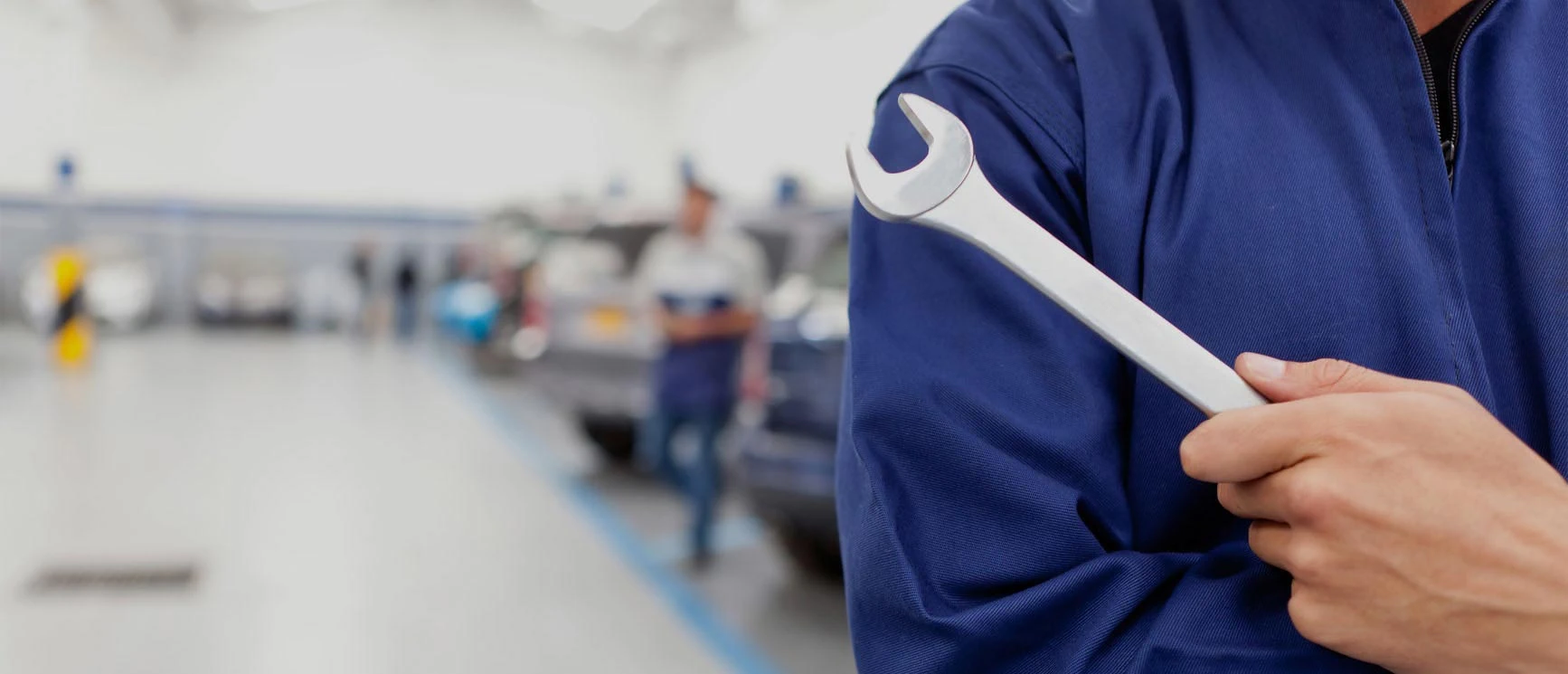
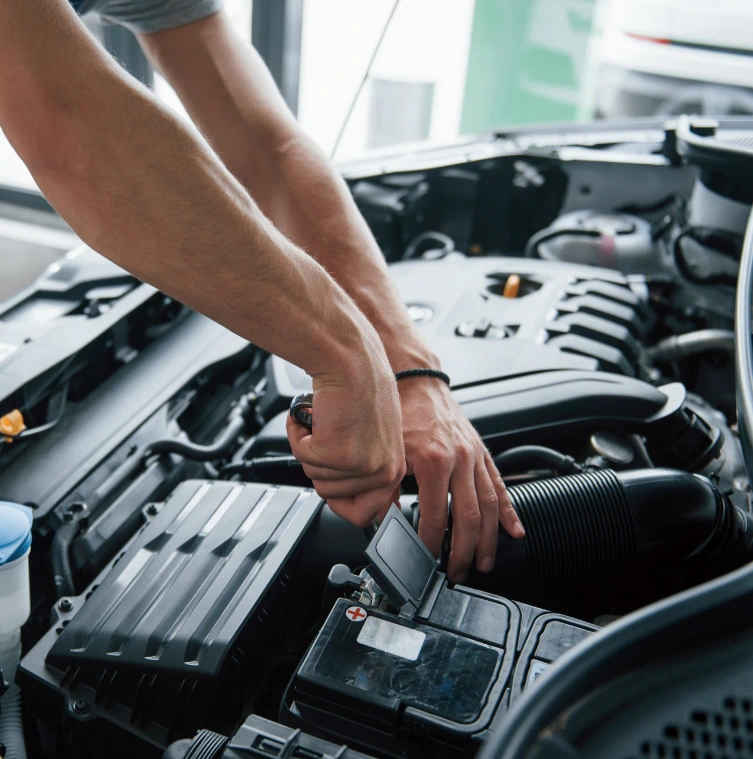
Figure 1: Elmhurst Auto Parts counter specialists verify pad thickness, anti-squeal shim placement, and backplate integrity.
A. Premium Ceramic Friction Formulations
Ceramic brake pads utilize non-ferrous material matrices incorporating dense ceramic compounds, aluminum oxide, potassium titanate, and non-ferrous metallic fibers (such as copper or synthetic equivalents). Designed primarily for passenger sedans, light commercial SUVs, and EV platforms, ceramic formulations yield ultra-low particulate dust and operate quietly across standard operating temperatures.
- Friction Coefficient Range ($\mu$): 0.36 – 0.42 (Typically rated FF to FG)
- Thermal Fade Limit: ~450°C
- Rotor Wear Impact: Extremely low; minimal disc grooving or micro-cracking.
- Recommended Application: Urban passenger transport, high-end fleet sedans, hybrid/electric vehicles prioritizing silent NVH metrics.
B. Semi-Metallic & Low-Metallic Formulations
Semi-metallic pads consist of 30% to 65% steel wool, iron powder, copper fibers, and graphite binders. Low-metallic variants replace a portion of the steel matrix with mineral synthetic fibers to balance heat dissipation and pedal response. These pads demonstrate superior thermal conductivity, ensuring consistent stopping power under high kinetic energy loads.
- Friction Coefficient Range ($\mu$): 0.40 – 0.50 (Typically rated FG to GG)
- Thermal Fade Limit: ~650°C+
- Rotor Wear Impact: Moderate to high; requires hardened cast-iron G3000/G4000 rotors.
- Recommended Application: Commercial delivery vans, heavy-duty towing trucks, emergency services, and extreme temperature environments.
C. Non-Asbestos Organic (NAO) Formulations
NAO brake pads utilize organic polymers, glass, aramid fibers, and rubber modifiers bonded with phenolic resins. While offering soft pedal engagement and low initial rotor wear, they exhibit faster linear wear rates under sustained high temperatures.
- Friction Coefficient Range ($\mu$): 0.32 – 0.38 (Typically rated FE to FF)
- Thermal Fade Limit: ~350°C
- Rotor Wear Impact: Minimal rotor wear; ideal for light-duty light-load usage.
- Recommended Application: Light commuter platforms, budget fleet maintenance, low-speed industrial shuttles.
Friction Material Technical Comparison Matrix
| Friction Type | Nominal $\mu$ Coefficient | Operating Temp (°C) | Shear Strength (ISO 6312) | NVH Noise Rating (dB) | Copper Compliance |
|---|---|---|---|---|---|
| Premium Ceramic | 0.36 – 0.42 | -30°C to 480°C | > 3.8 N/mm² | < 70 dB (Quiet) | Class N (<0.5% Cu) |
| Semi-Metallic | 0.42 – 0.52 | -40°C to 680°C | > 5.0 N/mm² | 75–85 dB (Moderate) | Varies / Class B |
| Low-Metallic NAO | 0.38 – 0.45 | -20°C to 550°C | > 4.2 N/mm² | 70–78 dB (Mild) | Class A / B |
| Commercial Heavy-Duty | 0.45 – 0.55 | -40°C to 750°C | > 5.5 N/mm² | 80–90 dB (High) | Industrial Exempt |
Need Bulk Friction Data Sheets or OEM Cross-Reference Catalogs?
Speak directly with our technical counter teams to verify cross-brand numbers, FMSI pad drawings, and ISO test certificates.
3. Global Sourcing Trends & Future Technology (2025–2030)
Commercial procurement teams preparing 3- to 5-year supply agreements must account for sweeping legislative and technological transformations currently impacting friction manufacturing:
Trend 1: California & Washington State 2025 Copper-Free Mandates (SB 346 / HB 1018)
Effective January 1, 2025, friction materials sold across key U.S. states must contain less than 0.5% copper by weight (achieving "Class N" environmental status). Copper has historically served as a vital heat-dissipating agent in semi-metallic and ceramic formulations. Sourcing teams must ensure their supplier portfolio utilizes alternative thermal conductive matrices—such as engineered synthetic graphite, basalt fibers, and complex titanates—without compromising high-temperature shear strength or increasing rotor wear rates.
Trend 2: Electric Vehicle (EV) Braking Dynamics & Corrosion Glaze Control
Because EVs utilize regenerative braking for up to 80% of decelerations, mechanical brake pads remain unengaged for prolonged periods. This operational shift leads to two major engineering failure modes:
- Friction Glazing & Surface Oxidation: Infrequent engagement causes moisture retention, creating surface rust on cast-iron rotors that transfers to the friction material, leading to morning squeal and uneven pedal grab.
- Elevated Vehicle Mass: Battery packs add 20% to 35% more gross vehicle weight (GVW), demanding exceptional emergency stopping capabilities when emergency friction braking engages at high speeds.
Next-generation EV-specific brake pads incorporate hydrophobic surface treatments, mechanical retention pins (NRS system), and specialized abrasive polishing particles to clean rotor surface films during light application.

Figure 2: Routine visual checks for pad backing plate rust, friction lining thickness, and caliper pin lubrication.
Trend 3: Smart Braking Systems & Embedded Wear Sensor Integration
The transition toward autonomous driving and telematics-managed commercial fleets has accelerated the adoption of Electronic Wear Sensors (EWS). Modern high-grade pads incorporate embedded continuous-wear sensors that transmit real-time remaining lining thickness data directly to fleet management portals, replacing simple mechanical wear scrapers (acoustic acoustic indicators).
4. The Elmhurst Auto Parts Advantage: Decades of Engineering Trust
Sourcing automotive components requires more than just an inventory lookup—it demands deep field experience, verified product quality, and reliable logistical fulfillment. Founded on decades of local service, Elmhurst Auto Parts offers commercial clients across Illinois and global procurement networks an unmatched foundation of trust and technical capability.
A. In-House Precision Machining & Rotor Refacing
Friction performance is only as effective as the mating rotor surface. As highlighted in our verified customer reviews (including long-standing feedback on our rotor cutting services), Elmhurst Auto Parts operates full-service, on-site brake lathe machinery. We understand exact surface finish tolerances ($\text{R}_{\text{a}}$ values between 1.5 and 2.0 micrometers), runout limits (<0.05mm), and parallelism requirements—ensuring newly installed brake pads bed in rapidly without disc thickness variation (DTV) shudder.
B. Extensive OEM & Tier-1 Aftermarket Inventory
We stock over 10,000 active automotive SKUs, partnering exclusively with certified manufacturers including Wagner Brake, Moog, Wix Filters, and major OE suppliers. Whether sourcing high-volume FMSI numbers for light commercial fleets or specialty hard-to-find components, our counter specialists provide instant cross-referencing and technical fitment verification.
C. Stringent Quality Assurance & Hassle-Free Guarantees
Every product line carried in our Elmhurst facility at 474 S Spring Rd undergoes strict internal evaluation. We back our product sales with a robust 30-day return policy and comprehensive manufacturer warranties, giving wholesale buyers absolute peace of mind.
5. Global Buyer Sourcing & Technical FAQ
Common technical and procurement inquiries addressed by our senior SEO engineering & parts specialists.
Shear strength testing measures the adhesive bond integrity between the friction material block and the steel backplate. Under ISO 6312 standards, a hydraulically driven ram applies force parallel to the backing plate at ambient temperature until shear failure occurs. Premium commercial-grade pads must exceed a minimum shear strength of 3.5 N/mm² (with top semi-metallic formulations exceeding 5.0 N/mm²). Elmhurst Auto Parts requires our manufacturing partners to supply batch test certificates ensuring zero micro-fractures along the adhesive interface layer.
Brake squeal occurs primarily in the 2 kHz to 12 kHz frequency range due to vibration coupling between the pad and rotor. To suppress this, premium brake pads utilize four key mechanical modifications:
- Multi-Layer Anti-Squeal Shims: Constrained layer dampers consisting of steel layers sandwiched with vulcanized rubber or nitrile polymers.
- Chamfers: Beveled edges on the friction block that alter the contact pressure distribution during initial engagement, preventing leading-edge grab.
- Center Slots: Vertical slots that break up standing sound waves across the pad face and provide channels for gas and dust evacuation.
- Positive Mold Technology: High-pressure compaction molding that yields consistent material density throughout the entire pad thickness.
Semi-metallic pads rely heavily on abrasive friction, where hard metal particles carve directly into the cast-iron rotor face to generate stopping force. This results in higher rotor wear rates and visible metallic brake dust. Ceramic pads rely primarily on adhesive friction, transferring a micro-thin, uniform film of ceramic material onto the rotor surface. Friction occurs between the pad and the transferred film, dramatically reducing physical cast-iron rotor wear, eliminating deep scoring, and extending rotor service life by up to 40%.
ECE R90 is a mandatory European quality standard requiring aftermarket replacement brake pads to perform within ±15% of the original equipment (OE) manufacturer's performance benchmark across speed, thermal fade, and pedal feel tests. While R90 is not legally required for domestic U.S. vehicles, sourcing ECE R90-certified pads guarantees that aftermarket parts match true OEM braking performance profiles. Elmhurst Auto Parts offers R90-compliant inventory for global fleet buyers needing standardized international quality assurances.
Thermal scorching exposes the surface of freshly molded friction material to intense radiant heat (600°C to 700°C) during manufacturing. This process burns off residual binding resins and volatile organic compounds (VOCs) on the outermost 1mm of the pad. Scorching significantly reduces initial "green pad fade" during the first few emergency stops, providing mechanics and fleet drivers with immediate full stopping capability right out of the box.
Commercial buyers can submit parts lists, OEM part numbers, or FMSI drawing specifications directly to our counter team. Click the inquiry button below to connect directly with our live counter assistance software. We provide detailed pricing tiers, estimated shipping lead times, and comprehensive material specification sheets for volume orders.
Ready to Source Premium OEM & Aftermarket Brake Pads?
Connect with Elmhurst Auto Parts today for competitive wholesale pricing, technical fitment support, and fast nationwide fulfillment.