
In modern automotive chassis design, Suspension Struts serve as crucial structural pillars. Unlike traditional shock absorbers—which exclusively function to dampen spring oscillations—a suspension strut is a primary structural element of the vehicle's suspension architecture. It replaces the upper control arm and upper ball joint in MacPherson strut systems, carrying heavy side-loads, maintaining steering geometry, and directly bearing vehicle mass.
For global automotive procurement officers, B2B wholesale buyers, and commercial fleet managers, sourcing the correct suspension struts requires a deep understanding of hydraulic dampening mechanics, metallurgy, environmental endurance, and fitment tolerances. At Elmhurst Auto Parts, backed by decades of hands-on counter service, precision rotor turning, and direct OEM supply chain integration, we provide high-volume buyers and local technicians with components engineered for rigorous real-world endurance.
B2B Buyer Quick Inquiry
Sourcing high-volume OEM/Aftermarket suspension strut assemblies or custom damping specifications for commercial fleets? Connect directly with our enterprise technical sourcing desk.
Send an Inquiry1. Anatomical Breakdown & Hydraulic Mechanics of Modern Struts
To accurately evaluate structural integrity and performance durability when procuring suspension struts, technical buyers must examine internal component engineering. A premium strut assembly combines several high-stress subsystems:
- Induction-Hardened Piston Rod: Manufactured from high-tensile carbon steel (e.g., SAE 1045), micro-finish polished to a roughness average (Ra) under 0.05 microns, and electroplated with 20–30 microns of hard chrome to withstand seal friction and salt spray oxidation.
- Multi-Lip NBR/HNBR Oil Seal: Engineered to withstand internal fluid pressure up to 35 bar, featuring self-lubricating micro-garter springs that maintain sealing tension across broad temperature ranges (-40°C to +120°C).
- Multi-Velocity Full-Displacement Valving: Incorporates multi-stage shim stacks that automatically adjust resistance based on piston velocity. Low-velocity movements (body roll, braking dive) trigger firm damping curves, while high-velocity impacts (potholes, severe bumps) force oil through relief orifices for compliance.
- High-Pressure Nitrogen Gas Charge: Pressurized between 10 and 25 bar to eliminate hydraulic fluid aeration and oil foaming (cavitation) during high-frequency stroke cycles.
- Cold-Wound Coil Spring & Insulator Seat: Formed from high-tensile silicon-chrome alloy steel, shot-peened to relieve internal stresses, and coated with protective epoxy powder to resist stress-corrosion cracking.
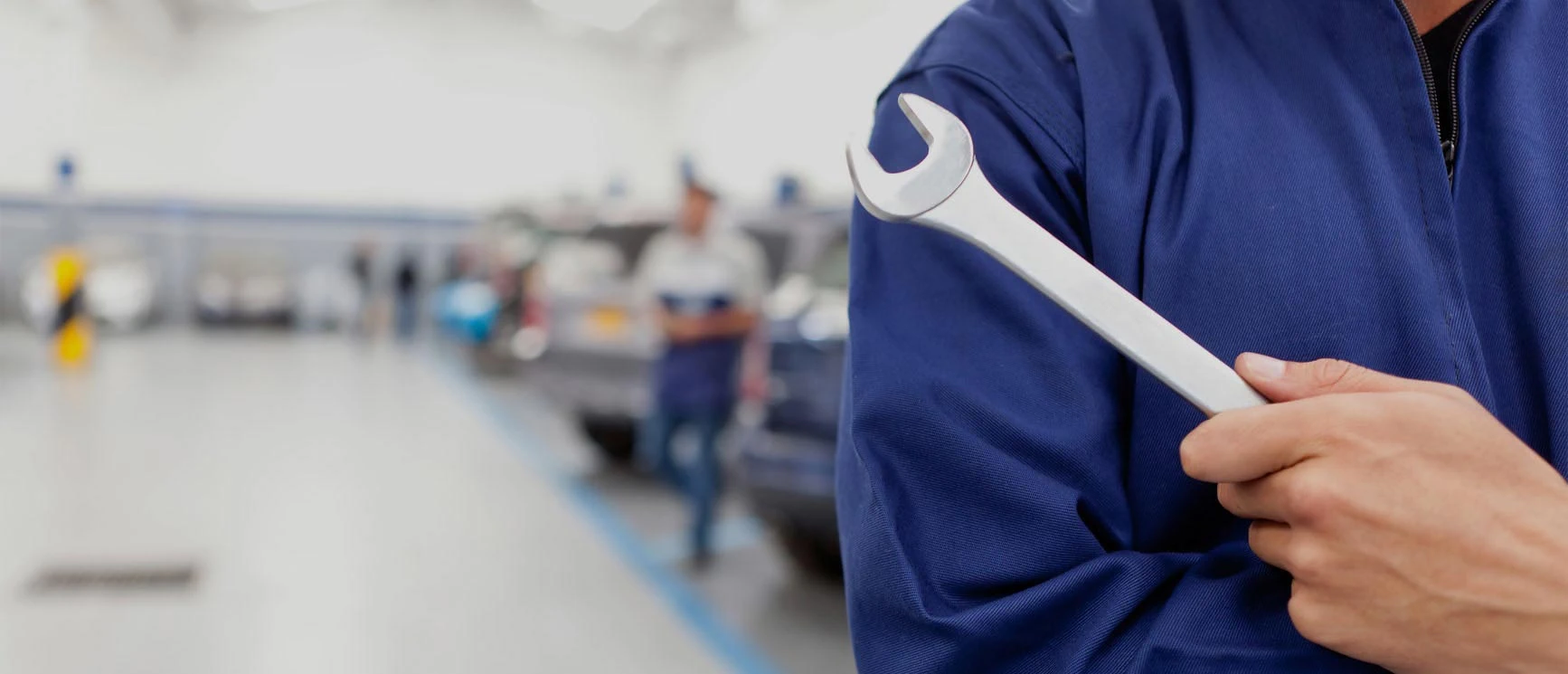 Figure 1: Elmhurst Auto Parts technical specialist verifying dimensional tolerances and piston rod surface finish.
2. Enterprise Catalog & Recommended Strut Configurations
Global procurement teams must balance component cost against total installation labor and vehicle uptime. We categorize our inventory into four distinct product tiers to address specific operational requirements:

Complete Strut Assemblies (Quick Struts)
Fully assembled unit including pre-compressed coil spring, upper mount bearing plate, spring seat, bump stop, and boot kit. Reduces installation time by 60%.
Send an Inquiry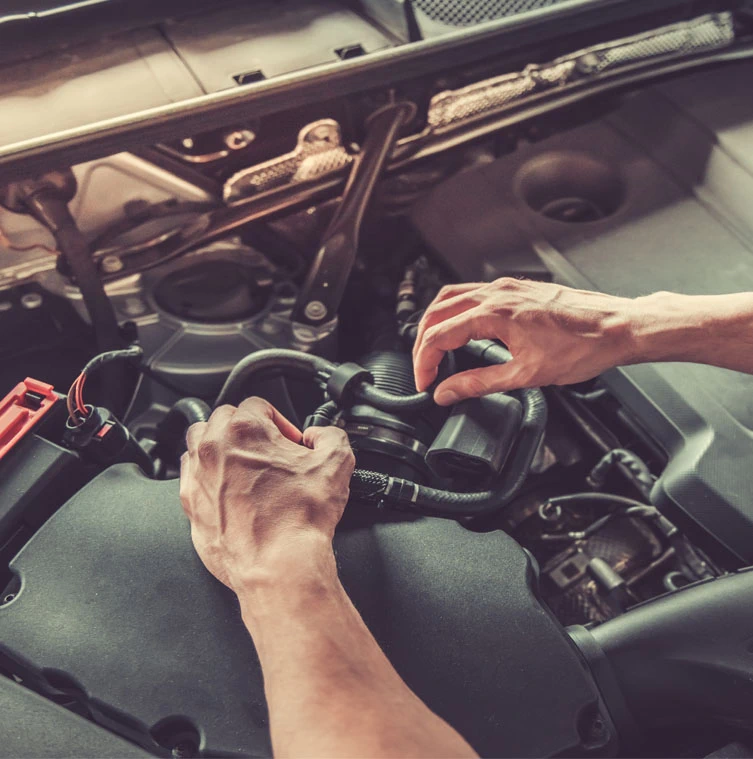
Heavy-Duty Commercial & Fleet Struts
Reinforced twin-tube housing with 35mm bore diameter, heavy-duty polyurethane jounce bumpers, and high-viscosity synthetic fluid for high-payload delivery vans.
Send an Inquiry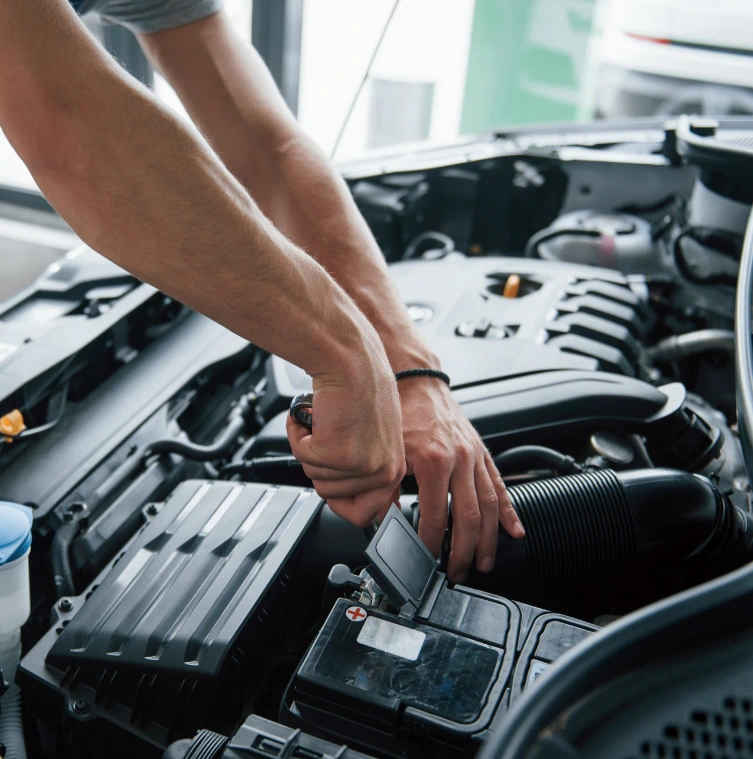
Electronic & Active Damping Struts
Equipped with internal/external solenoids for Continuous Damping Control (CDC), matching original equipment electronic ride control ECU signals within milliseconds.
Send an InquiryTechnical Comparison: Bare Strut vs. Complete Assembly vs. Active Electronic Strut
| Technical Parameter | Bare Replacement Strut | Complete Strut Assembly | Active Electronic Strut (CDC) |
|---|---|---|---|
| Component Composition | Damper Cylinder & Piston Rod Only | Strut, Spring, Mount, Bearing, Boot Kit | Sensors, Solenoid Valve, Damper Cylinder |
| Average Installation Time | 1.8 – 2.5 Hours per Corner | 0.6 – 0.9 Hours per Corner | 1.5 – 2.2 Hours per Corner |
| Special Tools Required | Spring Compressor, Strut Nut Socket | Standard Hand Tools, Torque Wrench | Diagnostic Scanner, Standard Tools |
| Target Application | Budget DIY / Custom Rate Springs | Commercial Fleets, OEM Quick Swap | Luxury, Adaptive Ride & Performance EVs |
| NVH Reset Guarantee | Partial (Reuses Old Mount & Rubber) | 100% Complete NVH Restoration | Factory Electronic ECU Matched |
3. Global Sourcing & Procurement Trends (2025–2030 Insights)
The global automotive aftermarket for suspension components is undergoing a rapid transition driven by vehicle electrification, weight management requirements, and AI-driven supply chain analytics. B2B buyers should account for the following structural trends when planning multi-year procurement cycles:
A. The Electric Vehicle (EV) Load Shift
Electric Vehicles are typically 20% to 30% heavier than their internal combustion engine (ICE) counterparts due to large lithium-ion battery packs. This increased mass substantially elevates static load and unsprung weight, causing premature fatigue on traditional suspension struts. Next-generation EV struts feature larger piston diameters (up to 38mm), reinforced lower mounting brackets, and specialized valve shims engineered to control high-frequency road vibrations while maintaining body stability during intense regenerative braking cycles.
B. Transition to Lightweight Alloys & Composite Spring Seats
To offset battery mass and reduce fuel consumption in hybrid/ICE vehicles, automotive original equipment manufacturers (OEMs) are increasingly utilizing extruded aluminum damper bodies and glass-fiber reinforced resin spring seats. Importers sourcing aftermarket replacements must verify that aluminum struts feature anodized anti-galvanic coatings to prevent corrosion when bolted to steel knuckle assemblies.
C. Smart Active Damping & Electromagnetic Systems
By 2030, semi-active and active suspension systems are projected to account for over 35% of the mid-to-high-tier passenger vehicle market. Wholesale buyers must establish supply chains with manufacturers capable of delivering valving response times under 15 milliseconds, backed by digital calibration documentation for seamless integration with modern Advanced Driver Assistance Systems (ADAS).
Global Supply Chain Assurance
Our international procurement network connects global distributors directly with IATF 16949-certified production lines. We audit seal longevity, salt spray ratings, and stroke fatigue curves before shipment.
Send an Inquiry4. Quality Assurance Testing Protocols (E-E-A-T Technical Benchmark)
At Elmhurst Auto Parts, our quality assurance protocols exceed basic visual inspections. We evaluate suspension components against stringent international automotive benchmarks:
- Salt Spray Corrosion Testing (ASTM B117): Component housings and piston rods undergo continuous salt fog exposure for 500 to 1,000 hours. High-tier units must exhibit zero red rust rating on critical sealing surfaces.
- Dynamic Damping Force Dyno Testing: Every production batch is tested across stroke velocities ranging from 0.05 m/s (low speed) to 1.5 m/s (high speed) to generate force-displacement hysteresis loops, ensuring damping symmetry between left and right vehicle pairs.
- Multi-Million Cycle Fatigue Resistance: Strut assemblies are subjected to 3,000,000 continuous full-stroke oscillation cycles under thermal extremes to verify oil degradation limits and structural weld durability.
- Precision Alignment & Camber Tolerance Check: Structural mounting brackets are measured using Coordinate Measuring Machines (CMM) to guarantee original equipment camber and caster alignment within ±0.05 degrees.
5. The Elmhurst Auto Parts Advantage & Technical Capabilities
For decades, Elmhurst Auto Parts has served as a trusted automotive supply partner across Elmhurst, IL, and international shipping corridors. Our business model combines extensive local inventory with commercial B2B supply capabilities:
- 10,000+ SKUs Available for Immediate Dispatch: We stock complete strut assemblies, shock absorbers, brake pads, precision-machined brake rotors, and suspension hardware from world-class manufacturers.
- Technical Counter Specialists: Our staff includes seasoned automotive professionals who verify VIN matches, cross-reference OEM part numbers, and resolve fitment issues before shipment.
- Integrated Brake & Suspension Services: Beyond parts supply, we offer full in-house rotor resurfacing and suspension system component matching to optimize total chassis performance.
- Flexible Wholesale Logistics: From single-unit urgent shop deliveries across local Chicago suburbs to containerized bulk export orders, we provide full order visibility, tracking, and warranty documentation.
Frequently Asked Questions (FAQ) — Suspension Struts Procurement
While bare struts have a lower initial unit purchase price, complete strut assemblies ("Quick Struts") significantly reduce overall labor costs. Replacing a bare strut requires compressing the coil spring, removing the top mount, inspecting bump stops and boots, and reassembling the unit—taking approximately 2 hours per side. A complete strut assembly is pre-assembled to factory specifications, reducing labor time to under 45 minutes per side. Furthermore, complete assemblies eliminate the risk of installing a new shock absorber inside a fatigued coil spring, preventing premature sag and secondary component failure.
Piston rod pitting occurs when moisture and corrosive de-icing salts breakdown thin chrome platings, causing rust spots that cut the main oil seal and release hydraulic pressure. To prevent this, premium struts feature piston rods made from induction-hardened SAE 1045 steel. The rod is plated with a micro-cracked hard chrome coating measuring 20 to 30 microns thick. Micro-cracked chrome micro-retains microscopic oil films during strokes, reducing seal wear while passing over 500 hours of continuous ASTM B117 salt spray exposure without surface degradation.
Electric Vehicles carry heavy battery packs that increase gross vehicle weight by 20% to 30% over comparable internal combustion vehicles. This added weight demands higher spring rates and firmer rebound/compression damping curves to prevent body dive and excessive roll. Additionally, because electric powertrains operate almost silently, suspension noise, vibration, and harshness (NVH) are far more noticeable to vehicle occupants. EV-specific struts feature specialized hydraulic fluid formulations to prevent aeration noise, alongside reinforced polyurethane upper spring seats to damp high-frequency road vibrations.
B2B buyers should request three primary technical verification documents from their supplier: (1) An active IATF 16949 audit certificate issued by an accredited registrar; (2) A CMM dimensional inspection sheet demonstrating mounting bracket hole centerlines matched to factory CAD drawings within ±0.1mm; and (3) Dynamic velocity dyno curves illustrating dampening force across low, medium, and high stroke speeds.
Fluid cavitation occurs when gas bubbles form inside the hydraulic oil under rapid, high-frequency oscillations. Early indicators include a noticeable softening of ride dampening after 15–20 minutes of driving over rough surfaces, knocking noises over small road imperfections, uneven tire tread wear (cupping), and hydraulic oil residue around the upper dust boot seal.
Our commercial department assigns a dedicated technical account manager to every wholesale order. We verify fitment against regional vehicle production databases, inspect component batches before pack-out, provide real-time freight tracking, and back all parts with a clear manufacturer warranty and a 30-day hassle-free return policy.